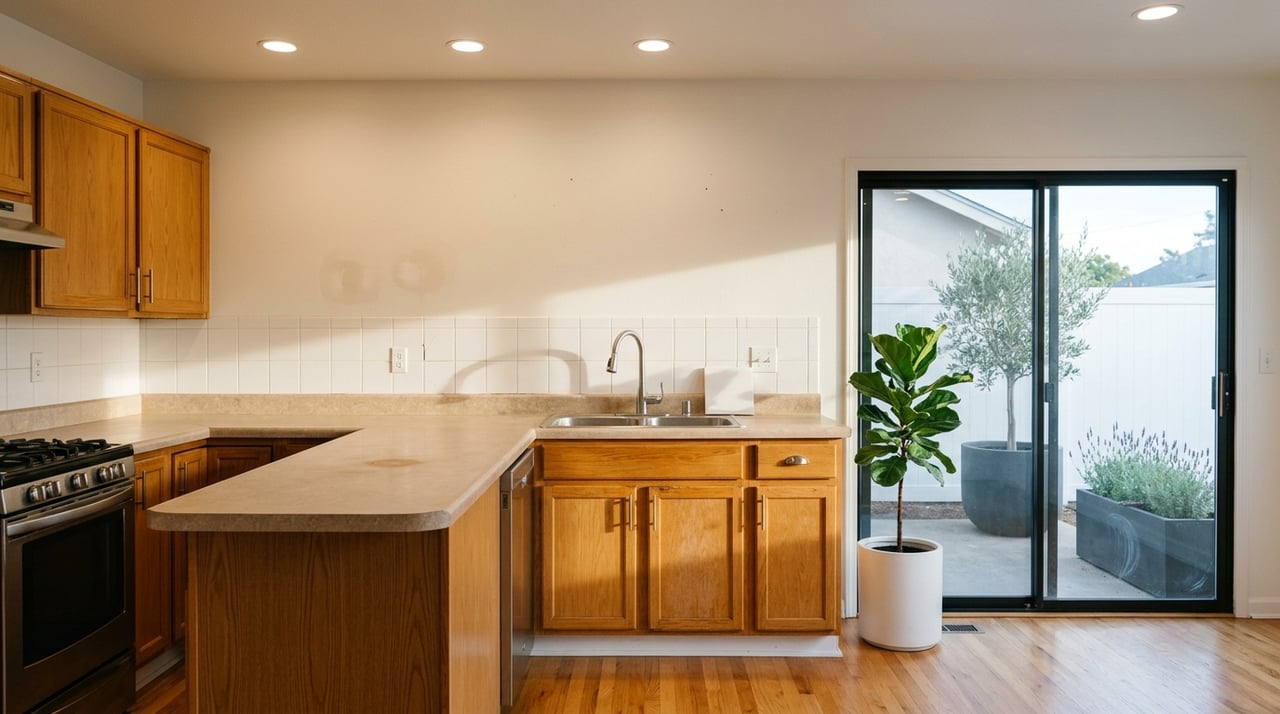
Wondering if a fixer-upper in Concord is a smart opportunity or a budget trap? You are not alone. In a market where prices still sit around the mid-$700,000s and homes can move quickly, buying a home that needs work can feel like a chance to get ahead, but only if you go in with a clear plan. This guide will help you weigh the real tradeoffs, spot the biggest risks, and decide when a Concord fixer-upper actually makes sense. Let’s dive in.
Why fixer-uppers show up in Concord
Concord has an older housing stock, and that is a big reason fixer-uppers appear in the first place. According to the City of Concord’s 2023 Housing Element, 79.4% of owner-occupied homes were built before 1980, including 73% built between 1950 and 1979.
That matters because older homes often need more ongoing preservation, repair, and energy-related updates. In many cases, the opportunity is not a total teardown or full gut renovation. Instead, you may find homes with deferred maintenance, dated finishes, or older systems that need attention over time.
Concord also remains a competitive or seller-leaning market by recent measures. Redfin reported a median sale price of $738,369 for the three months ending April 2026, Zillow reported a typical home value of $739,280 as of April 30, 2026, and Realtor.com showed a median listing price of $735,000 in March 2026.
The takeaway is simple: a fixer-upper discount needs to be meaningful. If a home is only slightly cheaper than a move-in ready option, the renovation costs and timeline can erase the benefit fast.
What to weigh before making an offer
Not all fixer-uppers are created equal. A home that needs paint, flooring, and lighting is a very different purchase from one that needs roofing, electrical work, plumbing updates, or structural changes.
A smart way to evaluate a property is to look at it in layers:
- Cosmetic updates, such as paint, cabinets, flooring, and fixtures
- Deferred maintenance, such as worn exterior surfaces or aging finishes
- Major systems, such as plumbing, HVAC, electrical, and roofing
- Code or permit issues tied to past work or planned renovations
HUD’s 203(k) guidance is helpful here because it separates minor non-structural repairs from major rehabilitation. That distinction can help you understand whether you are looking at a manageable project or a much more complex one.
Start with the home’s real condition
Before you fall in love with the idea of “good bones,” pause and look closely at the actual scope of work. Older Concord homes may have charm and potential, but they can also come with hidden costs.
If the home mainly needs cosmetic work, the path may be more predictable. If the property needs full system replacement or major structural work, the project can become more expensive, slower, and harder to manage.
That is why it helps to think in terms of repair categories, not just aesthetics. New countertops are optional. Electrical, roofing, and plumbing problems are not.
Cosmetic vs. major work
Cosmetic projects are usually easier to plan for because you can often price them with more confidence. These updates may still be substantial, but they tend to be less risky than structural or system-heavy renovations.
Major work often carries more unknowns. Once walls are opened or old materials are disturbed, you may uncover issues that were not obvious during the first showing.
Lead paint matters in older Concord homes
If you are considering a home built before 1978, lead-paint diligence is important. The EPA says older homes are more likely to contain lead-based paint, and buyers of most pre-1978 housing have the right to know whether lead-based paint or hazards are present before signing a contract.
This is especially relevant if you plan to remodel right away. The EPA also notes that renovation, repair, and painting work in pre-1978 homes can create hazardous lead dust when painted surfaces are disturbed.
That means your renovation plan should account for lead-safe practices from the start. If work will disturb painted surfaces, using lead-safe certified firms can be an important part of protecting your budget and your timeline.
Understand Concord permits before you commit
Permits are easy to underestimate, especially when you are focused on the purchase itself. In Concord, the Building Division handles plan checking, permit administration, and inspections for residential remodels.
Some projects may also require separate grading or encroachment permits. The city directs applicants to use Permit Pal to identify permit requirements and estimate fees, which can help you understand the likely scope before work begins.
Permit timing matters because it affects your move-in plan, contractor schedule, and holding costs. If you hope to live in the home during renovations, the city’s construction-hour rules matter too. Concord’s FAQ says construction is typically allowed Monday through Friday from 7:30 a.m. to 6 p.m. and Saturday through Sunday from 8 a.m. to 5 p.m.
Why permit timing affects your budget
A delayed permit can push back multiple parts of your project at once. That may increase temporary housing costs, contractor rescheduling fees, or the time you spend living in a partially finished home.
This is one reason a fixer-upper needs more than a low purchase price to work. You also need enough flexibility in your budget and timeline to absorb delays without stress.
Verify contractors the smart way
Hiring the right professionals is one of the biggest parts of a successful fixer-upper project. Before signing a renovation contract, California buyers can verify a contractor’s license status or Home Improvement Salesperson registration through the Contractors State License Board.
You can also search for licensed contractors by city or ZIP code. This small step can help you avoid avoidable problems and make better decisions before the work begins.
For a buyer taking on a renovation, strong project coordination matters just as much as design vision. A beautiful plan only works when the team and timeline behind it are solid.
Budget beyond the purchase price
The most common fixer-upper mistake is focusing too much on the asking price. The Consumer Financial Protection Bureau advises buyers to think beyond the down payment and account for closing funds, moving costs, planned renovations, and an emergency cushion of at least three to six months of expenses.
In Concord, that cushion matters even more because the market remains competitive and prices remain elevated. A lower purchase price can lose its advantage quickly if contractor bids, permit costs, or inspection findings come in higher than expected.
A practical way to evaluate the numbers is to compare the as-is price with the likely post-renovation value, then subtract:
- Renovation costs
- Permit and inspection costs
- Loan-related costs
- Moving or temporary housing costs
- A contingency reserve for surprises
If that math still works for your goals, the property may be worth pursuing. If it only works in a perfect-case scenario, it may not be the right project.
Financing options to know
If you are buying a fixer-upper, one financing option to understand is HUD’s Section 203(k) program. HUD says this program can finance the purchase or refinance of a home that is at least one year old along with the rehabilitation costs.
The program places rehab funds in escrow and releases them as work is completed. HUD also distinguishes between a Limited 203(k) for minor, non-structural repairs and a Standard 203(k) for major rehabilitation.
That distinction matters because it lines up with the bigger question you are asking as a buyer: is this a light improvement project or a more involved renovation? The answer can shape both your financing path and your stress level.
When a fixer-upper makes sense in Concord
In general, a fixer-upper makes the most sense when the home is structurally sound, the work is mostly cosmetic or limited non-structural repair, the permit path is relatively clear, and you have enough reserve cash to handle surprises.
That profile fits well with what Concord’s housing stock often offers. Because so many owner-occupied homes were built before 1980, you may find properties where the upside comes from updating finishes and addressing deferred maintenance rather than rebuilding major portions of the home.
For many buyers, the sweet spot is a house with real design potential but fewer major unknowns. That can give you room to personalize the home without taking on the kind of risk that wipes out the savings.
Signs a fixer may be a good fit
A fixer-upper may be worth serious consideration if:
- The home appears structurally sound
- The biggest needs are cosmetic or limited non-structural repairs
- You understand the likely permit path
- You have reserves beyond your closing costs
- Your timeline can handle renovation delays
- You want to create value through thoughtful updates over time
This type of project tends to be easier to manage and easier to budget than a property with major system uncertainty.
When move-in ready may be the safer choice
Sometimes the smartest decision is to skip the project house. A move-in ready home is often the better fit when the property needs major system replacement, your timeline is short, or you cannot comfortably live through phased construction.
That is especially true if the home is older and the planned work will disturb painted surfaces in a pre-1978 property. Lead-safe renovation requirements can add another layer of planning and coordination.
If your goal is predictability, a lighter project or move-in ready home may give you more peace of mind. There is nothing wrong with choosing convenience over complexity.
A design-forward way to think about value
The best fixer-upper is not always the cheapest house. Often, it is the home where the budget is driven more by finish decisions and scheduling than by hidden structural risk.
That is where a design-focused mindset can help. If you can see the difference between a house that needs vision and a house that needs major rescue, you are more likely to make a smart purchase.
In Concord, that often means looking for homes with a solid basic structure, a manageable repair list, and enough upside to justify the effort. When the numbers, condition, and timeline all line up, a fixer-upper can be a thoughtful path to creating a home that feels truly yours.
If you are weighing a fixer-upper in Concord and want a steady, design-minded perspective on what is worth tackling and what is better left alone, Shandrika Powell can help you evaluate the opportunity with clarity.
FAQs
What should you inspect before buying a fixer-upper in Concord?
- Focus on cosmetic updates, deferred maintenance, major systems like plumbing, HVAC, electrical and roofing, plus any code or permit issues tied to past or future work.
Why are fixer-uppers common in Concord?
- Concord has a large share of older owner-occupied homes, with 79.4% built before 1980, so buyers often encounter homes with dated finishes, aging systems, or deferred maintenance.
Do Concord fixer-uppers usually need permits for renovations?
- Many remodel projects do require permits, and some scopes may also need separate grading or encroachment permits through the City of Concord.
What should buyers know about lead paint in older Concord homes?
- If a home was built before 1978, buyers have the right to know whether lead-based paint or hazards are present before signing a contract, and renovation work that disturbs painted surfaces may require lead-safe practices.
How do you budget for a fixer-upper in Concord?
- Budget for more than the purchase price by including closing costs, moving costs, renovation expenses, permit and inspection costs, loan costs, and an emergency cushion of three to six months of expenses.
When does a fixer-upper make sense for a Concord buyer?
- It usually makes more sense when the house is structurally sound, the work is mostly cosmetic or limited non-structural repair, the permit path is manageable, and you have reserve cash for surprises.