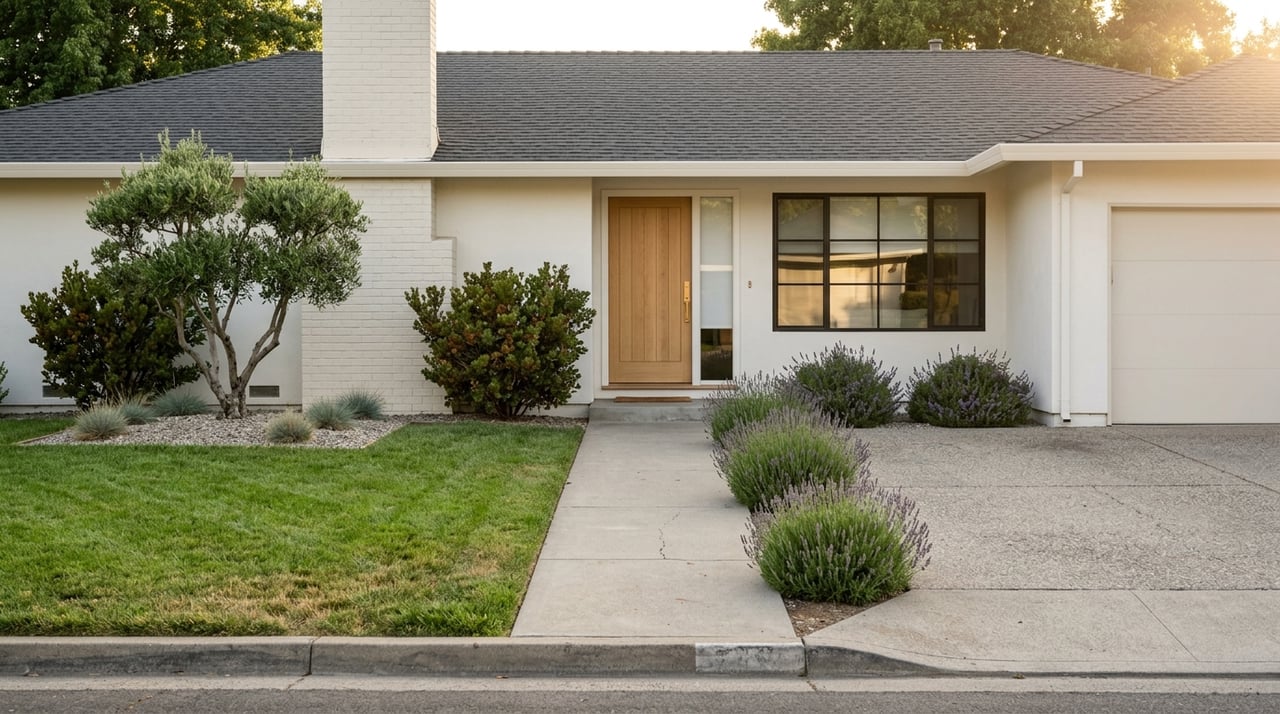
Trying to choose between an older home and a newer one in Concord? You are not alone. In a city where much of the housing stock was built decades ago, this decision often comes down to balancing charm, condition, upkeep, and long-term cost. If you are weighing your options, this guide will help you focus on the factors that matter most in Concord so you can move forward with more clarity. Let’s dive in.
Why this choice matters in Concord
Concord has a large and aging housing supply, which makes this a very local question, not just a general real estate debate. According to the City of Concord housing plan, the city has more than 49,000 housing units, and 73% of existing homes were built between 1950 and 1979.
That same report shows only a small share of homes were built in 2000 or later. In other words, if you are shopping in Concord, you will likely see far more older homes than newer ones. You may also notice that home values have changed significantly over time, with the city reporting median home value rising from $461,700 in 2017 to $755,900 in 2023.
Older homes in Concord
Older homes make up a major part of Concord’s market, so understanding their tradeoffs can give you an edge. Age alone does not tell you whether a home is in good shape, but it does change what you should review during your search and escrow.
What older homes may offer
Older homes can give you more options simply because there are more of them in Concord. You may also find mature lots, established streets, and homes that have been maintained by long-term owners.
The city’s housing analysis notes that owner-occupied homes are often better maintained than renter-occupied units. That is an important reminder: an older home that has been cared for well may be a better fit than a newer home with overlooked issues.
What older homes may require
Concord’s housing plan says older housing stock often needs more budgeting for preservation, repairs, and energy-related improvements. Homes weather over time, and systems, finishes, and materials can wear out at different rates.
That is why it helps to separate must-fix items from cosmetic updates. Safety, structure, and permit issues should come first. Paint colors, flooring style, and light fixtures can usually wait.
Lead paint and older-home work
In Concord, this is especially relevant because a large share of homes were built before 1980. The city reports that 79.4% of owner-occupied units were built before 1980, and the EPA explains that homes built before 1978 are more likely to contain lead-based paint.
If you buy most pre-1978 housing, you should receive lead disclosure information. If you plan to repaint, remodel, or open up walls later, contractor choice matters too. The EPA requires firms working on pre-1978 housing to be certified and to use lead-safe work practices when the project disturbs lead-based paint.
Asbestos and remodeling plans
If you are considering an older Concord home and already imagining renovations, asbestos is another item to keep on your radar. The EPA notes that asbestos may still be found in some older materials, including roofing shingles, certain ceiling and floor tiles, textured paint, and pipe or furnace insulation.
That does not automatically mean there is a problem. If the material is intact and will not be disturbed, EPA says it generally can be left alone. The concern usually comes up when damaged material is present or when remodeling will disturb it, which is when a trained asbestos professional becomes important.
Newer homes in Concord
If you prefer something more move-in ready, newer homes may feel simpler at first glance. They often appeal to buyers who want fewer near-term projects and a more current baseline for systems and efficiency.
What newer homes may offer
Newer California homes are built under more recent standards. The California Department of Housing and Community Development says the 2025 California Building Standards Code becomes effective on January 1, 2026, and the California Energy Commission says buildings with permit applications on or after that date must comply with the 2025 Energy Code.
The Energy Commission says the updated code expands the use of heat pumps in newly constructed residential buildings, encourages electric-readiness, and strengthens ventilation standards. For you as a buyer, that supports the expectation that newer homes may come with better efficiency features and fewer immediate system upgrades.
What newer homes may not solve
Newer does not mean automatic perfection. You still want to confirm final permits, review workmanship, and make sure any builder or contractor work was properly closed out.
Concord’s Inspection Services page explains that inspections are tied to permit holders and contractor-installed work. That makes it smart to review records and ask questions, even when a home looks turnkey.
Limited newer-home supply
One practical challenge in Concord is that newer inventory is simply limited. The city reports that only 6.5% of owner-occupied units and 7.4% of renter-occupied units were built in 2000 or later.
That smaller pool can affect your search timeline and your flexibility. If you are set on a newer home, you may need to act quickly when the right one appears or broaden your must-have list.
What to compare before you decide
When buyers compare older versus newer homes, the smartest approach is not asking which is better in general. It is asking which home fits your budget, timeline, risk tolerance, and project comfort level.
Compare condition, not just age
A well-maintained older home can outperform a poorly finished newer one. Try to focus on roof, HVAC, plumbing, electrical, windows, drainage, and any signs of deferred maintenance.
If the home has visible updates, ask whether the work was permitted. Concord lets you review permit records online 24/7, which can be extremely useful during escrow.
Compare future costs
An older home may have a lower entry point in some cases, but the real question is what you will spend after closing. Repairs, energy improvements, and code-related work can change the total cost of ownership.
A newer home may cost more upfront, but it can reduce short-term maintenance surprises. The right decision often depends on whether you want to spread improvements out over time or pay more for newer construction today.
Compare your renovation appetite
Some buyers love a project. Others want a home that feels finished from day one.
There is no wrong answer, but being honest here matters. If you are already balancing a move, work, or family logistics, a house that needs ongoing contractor coordination may feel more stressful than exciting.
Permit history matters in Concord
In Concord, permit history should be part of your standard due diligence for both older and newer homes. This is especially important for additions, remodels, electrical work, plumbing updates, or anything that looks much newer than the rest of the property.
The city’s permit portal allows online searches, and that can help you confirm whether work appears to have been properly documented. Concord also states that unpermitted construction may lead to double inspection fees plus additional hourly fees, which makes this more than a paperwork issue.
Look beyond cosmetics
It is easy to get distracted by updated kitchens or fresh paint. But in Concord, where the city’s 2023 Local Hazard Mitigation Plan says the area is susceptible to earthquakes, fires, floods, and other hazards, resilience should be part of your checklist too.
That means looking carefully at safety and durability items, not just style. Structural concerns, drainage, ventilation, and other core systems can have more impact on your ownership experience than surface finishes.
The city’s housing strategy also highlights rehabilitation, energy-saving upgrades, and resiliency improvements tied to earthquakes and flooding. So if you buy an older home, thoughtful upgrades can be about function as much as appearance.
Are there support programs for older homes?
Depending on your situation, there may be local homeowner resources worth reviewing after purchase. Concord’s housing plan references support for older-stock preservation, including emergency repair, accessibility, weatherization, home security grants for seniors, and loans for eligible single-family homeowners.
The city’s Homeowners Resources page also outlines programs related to repairs, refinancing, selling, and related needs, with eligibility based on factors like income, age, and household size. If you are buying an older home with a long-term improvement plan, these resources may be worth exploring.
A simple way to decide
If you want more inventory and are open to evaluating condition carefully, an older Concord home may give you more choices. If you want a more current baseline for efficiency and fewer immediate updates, a newer home may align better with your goals.
In either case, the best move is to stay focused on inspections, permit history, repair priorities, and the real cost of ownership. A smart purchase is not about chasing the newest or oldest home. It is about choosing the one that fits your life and going in with a clear plan.
When you want guidance that blends market insight with practical, design-aware perspective, Shandrika Powell can help you evaluate homes with both function and long-term value in mind.
FAQs
What should buyers in Concord check first in an older home?
- Start with safety, structure, major systems, and permit history before focusing on cosmetic updates.
What makes lead paint important when buying an older Concord home?
- Many Concord homes were built before 1980, and EPA says homes built before 1978 are more likely to contain lead-based paint and require disclosure information in most sales.
What should buyers know about asbestos in older Concord homes?
- Older materials may contain asbestos, and EPA says intact material often can be left alone, but damaged material or planned remodeling may call for a trained asbestos professional.
Are newer homes in Concord easier to maintain?
- They may offer a more current baseline for efficiency and systems, but you should still review permits, workmanship, and project closeout details.
How can buyers research permit history for a Concord home?
- You can search Concord permit records online through the city’s permit records system, which is available 24/7.
Are there many newer homes available in Concord?
- Not compared with older homes. The city reports only a small share of homes were built in 2000 or later, so newer inventory can be limited.