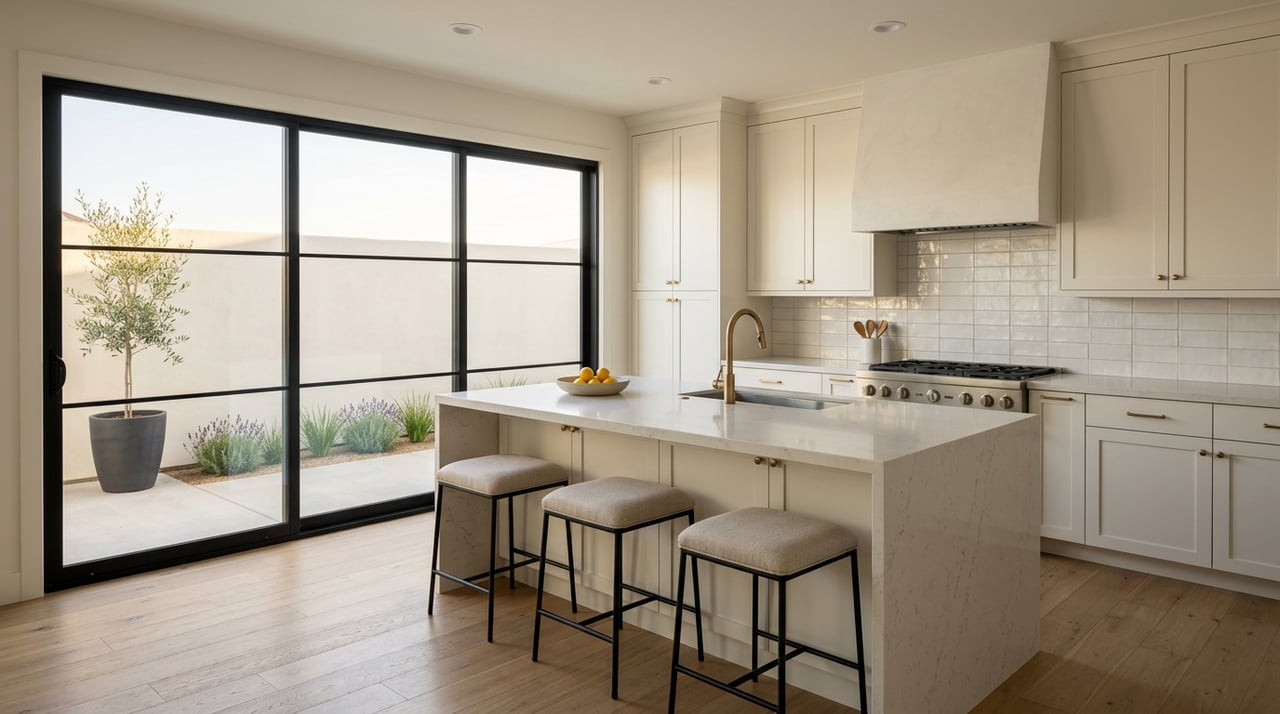
Dreaming about taking a tired Fairfield property and turning it into a head‑turning sale? You are not alone. With approachable price points and strong commuter appeal, Fairfield can be a smart flip market when you buy right and execute clean design. In this guide, you will learn how to underwrite with confidence, set realistic budgets and timelines, navigate permits, and launch a listing that moves. Let’s dive in.
Fairfield flip basics: set your plan
Fairfield’s pricing creates room for well-run projects. Recent public data shows a median sale price around $525,000 in Fairfield, which helps frame entry and exit expectations for many homes in town. You can view current city‑level signals on the Redfin Fairfield page for a quick pulse before you dig into comps. Redfin’s Fairfield market page is a good place to start.
The big takeaway for flips: medians are helpful context, but they are not your ARV. For your pro forma, rely on closed MLS comparables inside the same neighborhood and within the last six months when possible. Specific location, home type, and condition drive value far more than the citywide average.
Pick your submarket and buyer first
Fairfield includes distinct pockets that expect different finish levels.
- Green Valley and hillside enclaves typically command higher prices and attract buyers who expect elevated finishes and careful indoor‑outdoor flow. Explore current listings to calibrate finish targets and ARV expectations in this area. See Green Valley listings and trends.
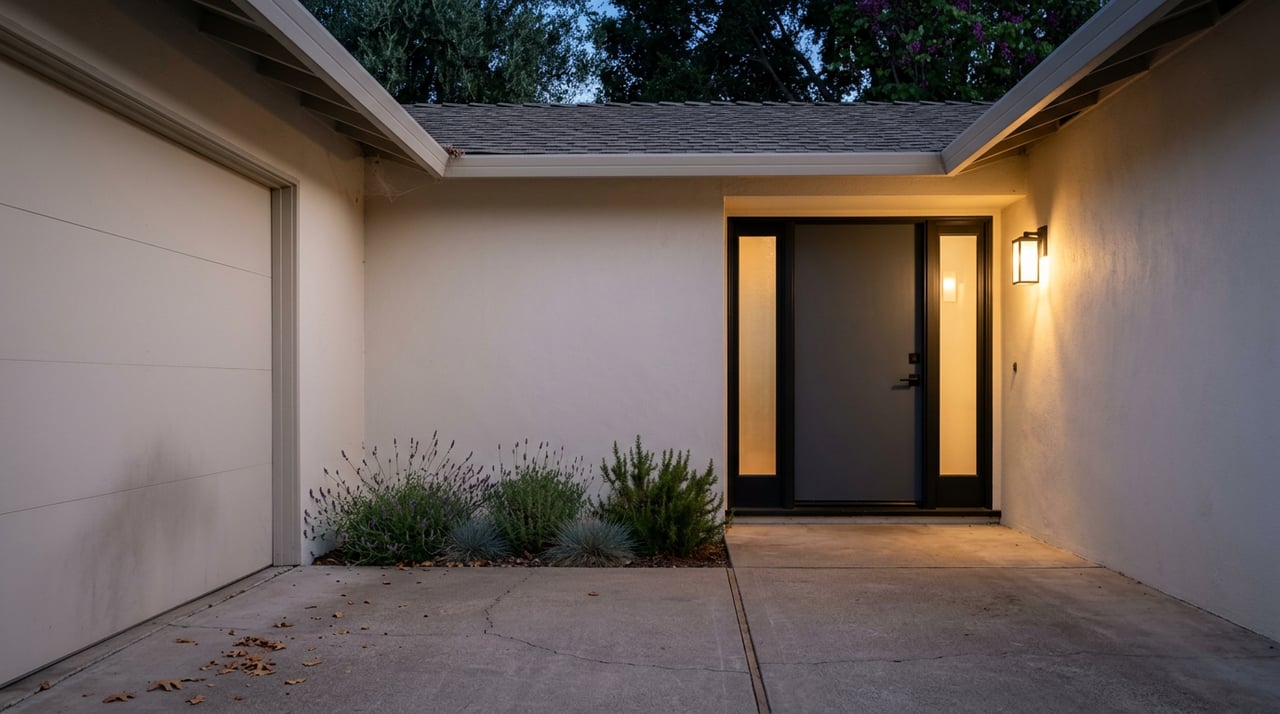
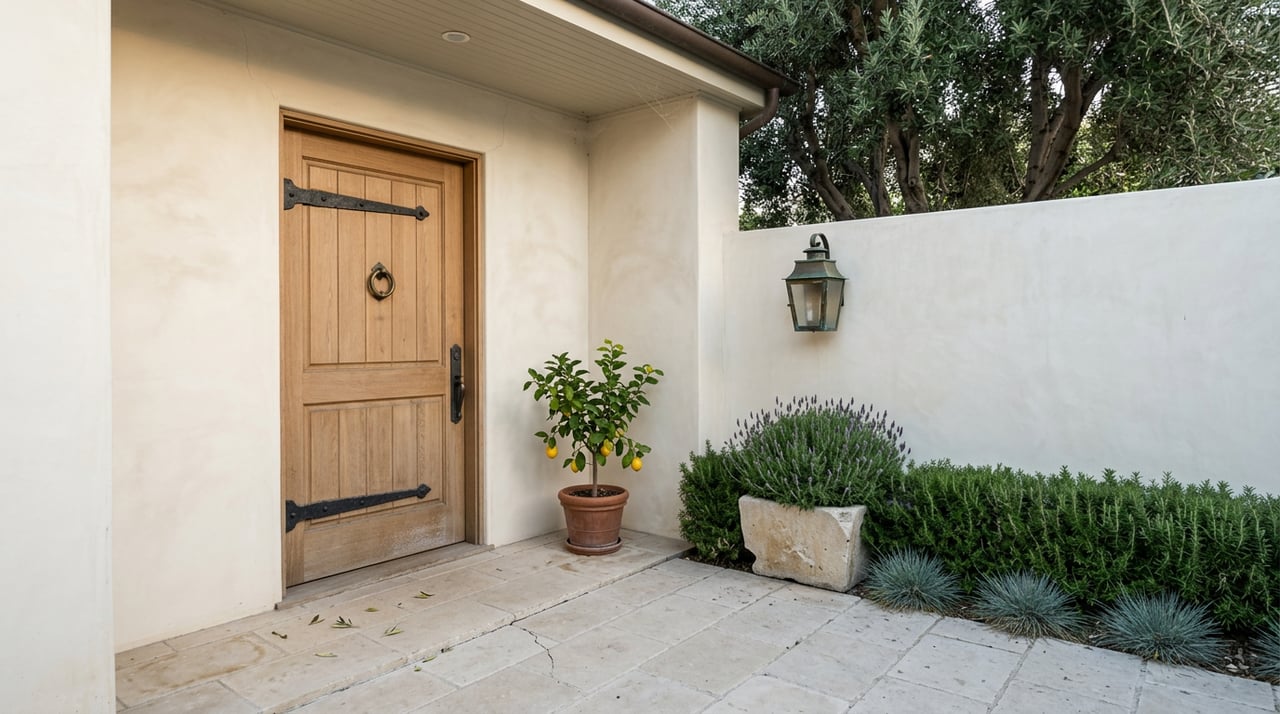
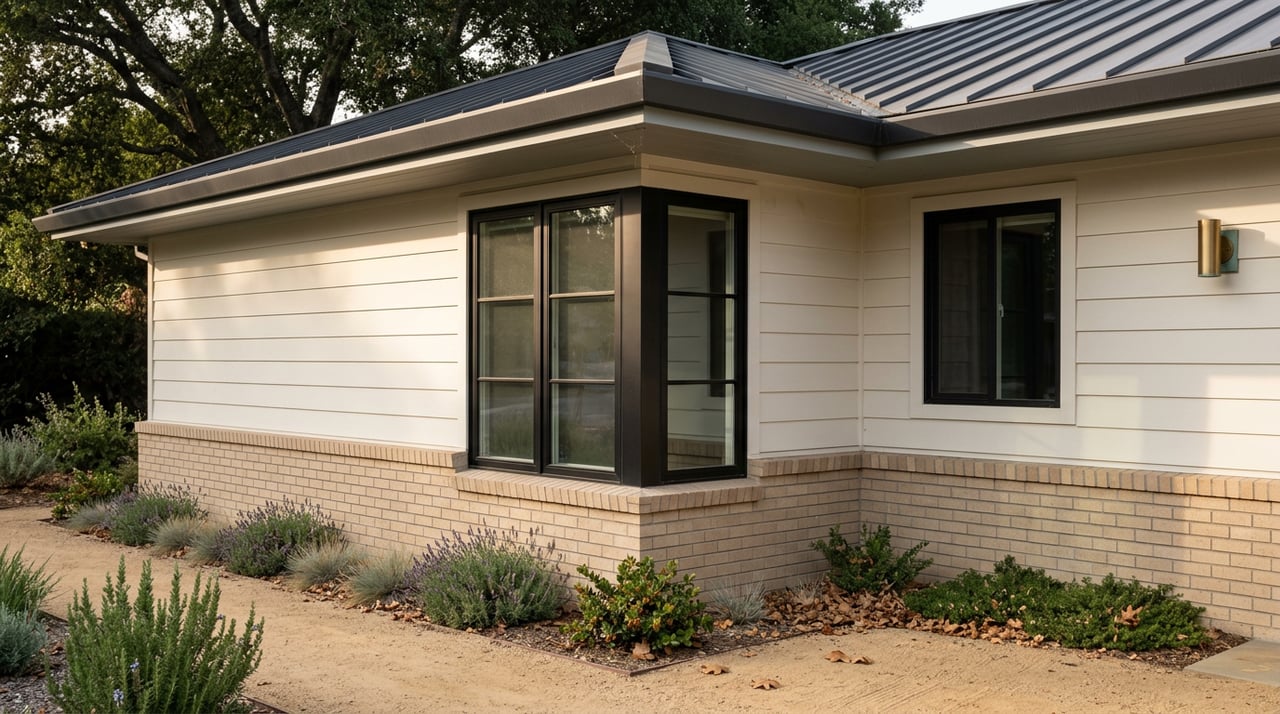
- Downtown‑adjacent and I‑80 commuter areas often perform well with a light repositioning plan. Clean curb appeal, a minor kitchen refresh, updated lighting, systems check, and tidy landscaping can be enough when pricing aligns with recent comps.
Pick your buyer and submarket up front. A finish package that sells a downtown starter may underwhelm Green Valley buyers.
Underwrite like a pro: the quick checklist
Before you write an offer, work through this fast triage. It helps you avoid the surprises that eat profits.
- Physical systems: roof, foundation, HVAC, major plumbing or electrical issues, and any signs of water intrusion. These items trigger permits, longer timelines, and higher costs.
- Title and taxes: confirm any liens, supplemental tax risk, HOA dues, and special assessments such as Mello‑Roos or CFDs. You can request parcel tax detail through county records or your title rep. Use this Solano resource as a starting point: Solano County property records overview.
- ARV comps: pull 3 to 5 closed sales within the same micro‑neighborhood in the last six months. Adjust for size, beds and baths, lot, upgrades, and condition.
- Risk buffer: model a slower sale window and a lower exit price range to test your margin under stress.
How to calculate ARV in four steps
- Select 3 to 5 closed comps in the most similar nearby streets or subdivision. 2) Adjust each comp for square footage, bedroom and bath count, condition, lot size, and major systems like roof or HVAC. 3) Average the adjusted values to create an ARV range. 4) Use the low end of that range for conservative underwriting, then subtract your repair, carrying, and sales costs to back into a target purchase price.
Here is a simple example to show the math flow. Say your adjusted ARV range is $540,000 to $560,000. You underwrite to $540,000. You estimate $55,000 for renovations, $35,000 for carrying and sales costs, and you target a minimum $50,000 margin. Your maximum purchase price would be $540,000 minus $140,000, which equals $400,000. Adjust these inputs to your real bids and MLS comps, then pressure test your numbers with a design‑forward agent before you commit.
Budget and design choices that sell in Fairfield
Use industry benchmarks to decide where each dollar creates the most value. The national Remodeling Cost vs. Value report offers helpful data on typical job costs and resale value recouped by project type. It consistently shows strong bang‑for‑buck on curb appeal projects, and solid returns on a minor kitchen remodel compared with full luxury gut jobs. Review the latest insights here: Cost vs. Value report.
Typical planning bands, subject to local bids and scope:
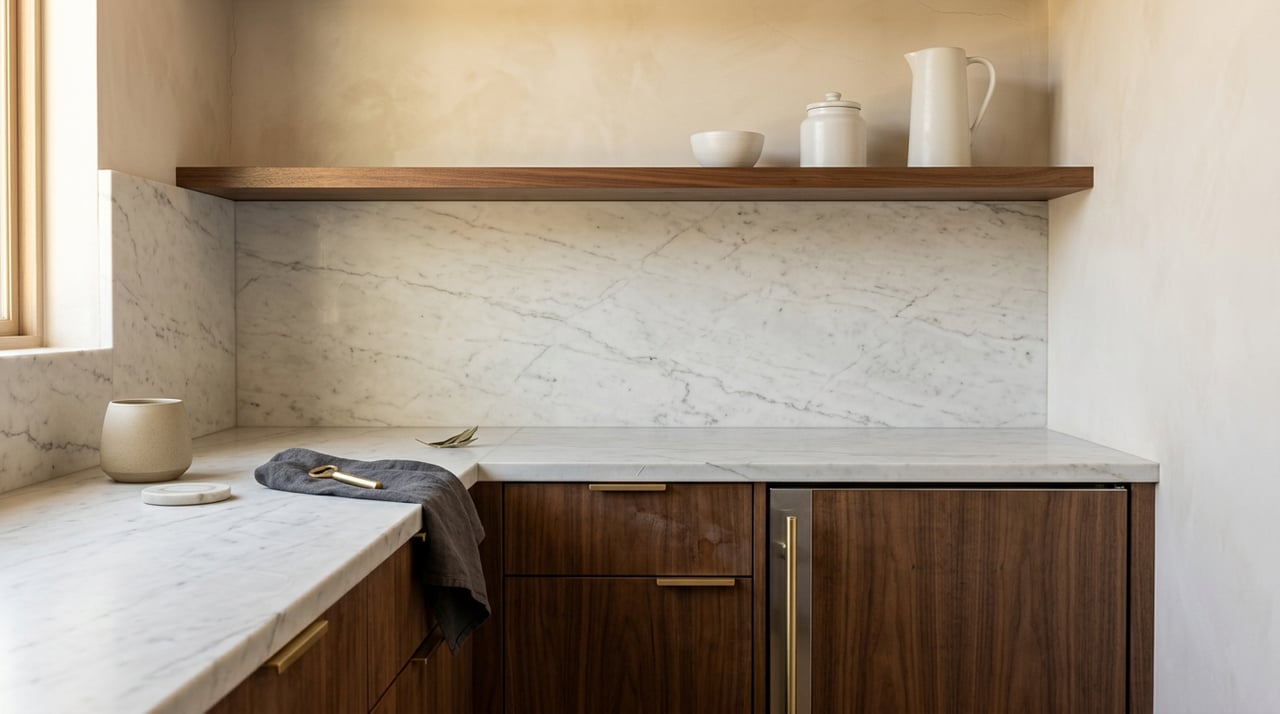
- Light repositioning: paint, LVP flooring, lighting, hardware, landscape clean‑up, and a minor kitchen and bath refresh. Expect a low tens‑of‑thousands range for many homes, depending on size and finish level.
- Mid‑scope rehab: add systems work, limited layout changes, and more involved bath or kitchen updates. Often mid five figures to low six figures.
- Full gut or structural changes: larger permits, engineering, and longer timelines. Only pencil these if neighborhood comps support the exit.
Contingency is your safety net. Budget a minimum 10 percent for lighter projects and 15 to 20 percent for mid to full rehabs. Include holding costs like interest, taxes, utilities, interim insurance, and HOA dues if applicable.
Finish targets by buyer profile:
- Commuter and first‑move‑up buyers: neutral paint, durable LVP, quartz or mid‑range counters, refreshed cabinetry in whites or mid tones, modern lighting, tidy landscaping, and clean bathrooms.
- Green Valley or higher‑end pockets: upgrade cabinetry, appliances, and fixtures. Pay attention to flow and views, and ensure exterior spaces feel intentional and connected to the interior.
Permits, codes, and hidden triggers
Understanding local permits and code requirements can prevent weeks of delays.
- City of Fairfield Building Safety: most structural changes and any electrical, plumbing, HVAC, ADUs, and many exterior projects require permits. You can submit plans and schedule inspections through the city’s online system. Review submittal guidance here: Fairfield Building Safety Division.
- Permit costs and plan check: factor permit and plan‑check fees into your soft costs, and plan for engineering where structural or seismic work is involved. See current information on the city’s permit fee page.
- State code changes: California’s 2022 Title 24 update took effect January 1, 2023 and can impact projects that include mechanical replacement, envelope work, or additions. Build time and budget for energy compliance documentation and HERS verification if your scope triggers it. Learn more from the state’s overview of Title 24 changes.
- Environmental health: if the home was built before 1978, lead‑safe work practices apply when disturbing painted surfaces. Suspected asbestos should be tested before demo. The EPA has taken enforcement actions for noncompliance, so treat RRP rules as a must. Read about the significance of compliance here: EPA lead‑safe enforcement example.
Timeline: from keys to closing
Here is a practical high‑level schedule to help you plan and model carrying costs.
- Due diligence and underwriting: 1 to 2 weeks before closing. Move faster in competitive offer situations.
- Permitting and plan check: several weeks for plan‑checked items. Simple mechanical or electrical permits may be quicker, complex scopes take longer. Confirm timing with Fairfield’s BUILD process at the Building Safety Division link above.
- Construction: for a light cosmetic repositioning, a rough 4 to 8 week window is a common planning range depending on crew and sequencing.
- Staging and photography: 3 to 7 days after final cleaning and punch list.
- Listing to contract: timing varies with pricing, season, and interest rates. Calibrate expectations with real‑time MLS data and neighborhood‑specific days on market.
Staging is worth the line item. Industry surveys consistently show staging reduces time on market and improves buyer perception, which can translate into stronger offers. For a quick summary of data points from NAR’s staging report, see this overview of staging ROI statistics.
What your design‑forward agent should handle
A skilled, design‑first agent adds value at every step:
- Rapid MLS comps and ARV sensitivity analysis to set your maximum offer.
- Scope, finish, and budget advice tailored to your buyer and submarket.
- Permit coordination, contractor scheduling, and lender draw management if applicable.
- Market positioning: professional photos, staging, listing copy, and pricing strategy to create early momentum.
Shandrika Powell’s boutique practice blends local market expertise with in‑house interior design, complimentary staging, and hands‑on project management. That means fewer vendors to manage, a stronger presentation, and a smoother path from renovation to a clean, top‑of‑market listing.
Financing options, at a glance
You have several ways to fund a Fairfield flip. For owner‑occupants and some scenarios, Fannie Mae’s HomeStyle Renovation can bundle purchase and improvements in one loan. It includes specific documentation and draw rules, so review the program details early: HomeStyle Renovation overview.
FHA 203(k) loans may fit certain owner‑occupant cases, with unique credit and down payment requirements. Many investors also use hard‑money or bridge loans for speed. Expect higher rates and fees on investor loans, and always model a worst‑case longer schedule and a softer sale price when deciding on leverage.
Ready to flip a Fairfield home into a showpiece?
If you want a turnkey, design‑led approach from purchase through punch list and launch, let’s talk. With local comps at the ready, a curated finish plan for your target buyer, and in‑house staging that elevates your photos and showings, you can shorten time on market and protect your margin. Reach out to Shandrika Powell to outline your project and get a neighborhood‑specific ARV and scope plan.
FAQs
How do I calculate ARV for a Fairfield flip?
- Use 3 to 5 closed MLS comps from the same micro‑neighborhood in the past six months, adjust for size, beds and baths, condition, lot, and major systems, then average the adjusted values and underwrite to the low end.
What budget should I expect for a light cosmetic flip in Fairfield?
- Many light projects that focus on paint, LVP flooring, lighting, landscaping, and a minor kitchen and bath refresh fall in the low tens‑of‑thousands, but always confirm with local bids and include a contingency.
Which renovations deliver the best ROI on resale?
- National benchmarks show strong returns for curb appeal items like garage and entry doors, and solid value for a minor kitchen refresh compared with luxury gut jobs. See the latest Cost vs. Value report for planning.
Do I need permits for my Fairfield renovation?
- Permits are required for structural work, electrical, plumbing, HVAC, ADUs, major roof replacements, and many exterior changes. Start with the city’s Building Safety Division and review current permit fees.
What code or environmental issues could slow my project?
- California’s Title 24 energy code can add documentation and testing when you replace mechanicals, touch the envelope, or add area. Pre‑1978 homes can trigger EPA lead‑safe work rules when disturbing paint, and suspected asbestos should be tested before demo. See Title 24 changes and the EPA’s lead‑safe example.
How should I screen for tax liens or special assessments in Solano County?
- Ask your title company for a full title report and check county records for supplemental tax exposure and any Mello‑Roos or CFD assessments. This quick reference can help you start that process: Solano County property records.