If you are looking for an East Bay town that feels calm, green, and connected to the outdoors, Moraga tends to stand out quickly. You may be wondering whether it feels lively enough for day-to-day living, what the housing actually looks like, and how the town is laid out once you get beyond a map. This guide will help you picture daily life in Moraga, from trails and community spaces to shopping patterns and home styles, so you can decide whether it fits the way you want to live. Let’s dive in.
Moraga at a Glance
Moraga is a 9.54-square-mile town in the East Bay, set between Orinda and Lafayette. The U.S. Census Bureau estimated its population at 16,698 as of July 1, 2024.
A big part of Moraga’s identity comes from how its land is used. Town data shows large shares dedicated to residential areas, agricultural or rangeland, public open space and parks, and common open space, which helps explain why the town feels quieter and more residential than dense or urban.
In practical terms, Moraga’s daily rhythm is shaped less by a traditional downtown and more by parks, trails, schools, and a few community-scale shopping areas. If you want a place where outdoor routines and neighborhood life tend to take center stage, that is an important part of the appeal.
Daily Life Feels Outdoor-Oriented
One of the clearest things you notice about Moraga is how much daily life can revolve around open space and recreation. The town’s natural setting and trail connections create an environment where walking, biking, and spending time outside can become part of your normal week.
That does not mean Moraga functions like a dense, highly walkable downtown. Instead, it offers a more spread-out suburban layout with a strong recreation spine, especially around its trail system and major parks.
Lafayette-Moraga Regional Trail
The Lafayette-Moraga Regional Trail is a major part of how people experience the town. East Bay Regional Park District describes it as a 7.65-mile paved trail that is 10 feet wide, wheelchair accessible, and intended for hiking, bicycling, and equestrian use.
The trail follows the Moraga Valley between Las Trampas Ridge and the Oakland Hills. It connects to Moraga Commons, local schools including St. Mary’s College, and the Briones-to-Las Trampas route, making it more than just a scenic path. For many residents, it is part of the town’s everyday movement and recreation pattern.
Moraga Commons Park
Moraga Commons Park acts as one of the town’s main gathering places. The 40.2-acre park includes a bandshell, bocce, disc golf, picnic areas, playgrounds, sand volleyball, a skatepark, and a splash feature that operates from Memorial Day through Labor Day.
This is also where the Summer Concert Series takes place on Thursday nights during the summer. That kind of recurring event matters because it gives the town a steady, familiar social rhythm rather than relying on a large commercial core for activity.
Hacienda de las Flores
Hacienda de las Flores brings a different kind of outdoor setting to Moraga. The town describes it as a historic, town-owned mansion and parkland with a Spanish-style estate, landscaped gardens, and a more secluded feel.
It is used for meetings and events, and it adds a garden-like, historic layer to the town’s public spaces. If you like communities that blend practical recreation with quieter scenic spots, this is part of Moraga’s charm.
Shopping and Dining in Moraga
Moraga’s retail pattern is straightforward. Shopping and dining are concentrated mainly in two centers, Moraga Center and Rheem Valley Shopping Center, rather than spread across a traditional downtown street grid.
According to the town’s economic vitality study, both centers are suburban in form and designed for convenient automobile access with ample parking. That means your errands are often easy and practical, but the experience feels different from a village-style main street.
Moraga Center
Moraga Center serves many of the town’s everyday needs. The town’s study says it has about 125,000 square feet of retail and is anchored by Safeway.
It also includes a hardware store, liquor store, restaurants and food-service businesses, a UPS store, salon, beauty supply store, dry cleaner, and many local tenants. The same study notes a weekend farmers market in the shopping center lot, which adds a community element to a very practical retail hub.
Rheem Valley Shopping Center
Rheem Valley Shopping Center is larger and more chain-oriented. The town describes it as about 165,000 square feet with tenants such as CVS, Home Goods, TJ Maxx, Dollar Tree, Dover Saddlery, the post office, smaller shops and restaurants, office space, Town Offices, Town Council Chambers, and the Moraga-Orinda Fire District station.
It also includes the Rheem Theater, which continues to show first-run films. For many residents, that makes Rheem feel like more than an errand stop because it combines services, shopping, and a local entertainment option in one place.
Community Events Shape the Town’s Personality
In towns like Moraga, lifestyle is often defined by recurring local events as much as by restaurants or retail. Moraga has a community calendar that supports that small-town feeling throughout the year.
The annual Pear and Wine Festival takes place at the end of September. During summer, Hacienda Nights brings monthly live music and rotating food trucks, while the Summer Concert Series draws Thursday-night picnic crowds to Moraga Commons.
These events help explain why Moraga can feel socially connected even without a dense downtown. Much of the town’s energy gathers around parks, civic spaces, and seasonal traditions.
What Homes in Moraga Look Like
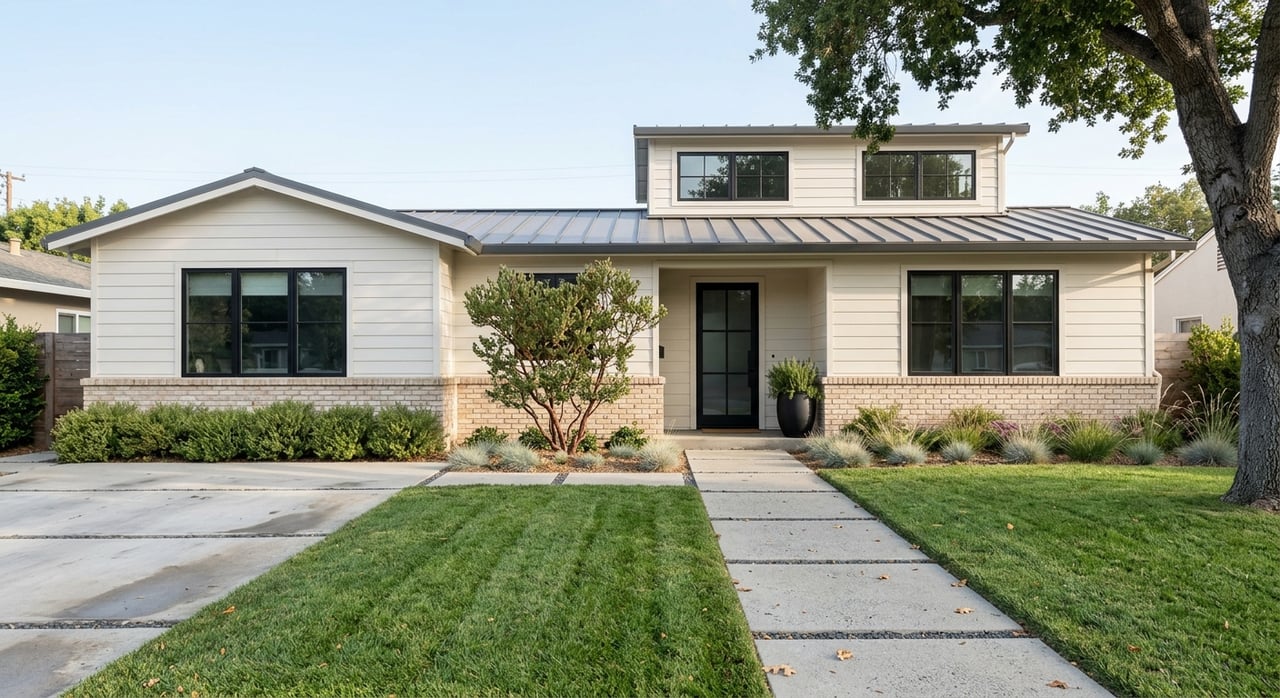
If you are trying to picture the housing stock, Moraga is still primarily a detached single-family home market. The town’s Housing Element says more than 70% of the housing inventory is detached single-family homes, and the General Plan states a residential goal centered on a high-quality environment made up primarily of detached single-family homes.
Census QuickFacts also reports an owner-occupied housing rate of 83.1% and a median owner-occupied home value of $1.663 million. Together, those figures support the idea that Moraga is an owner-heavy residential community with a strong single-family identity.
Predominant Home Patterns
Most Moraga neighborhoods fall into low-density land use designations of 1, 2, or 3 dwelling units per acre. In day-to-day terms, that usually translates to neighborhoods with a more spacious, suburban pattern rather than compact blocks of housing.
Some parts of town also reflect older construction eras. In one sample survey area east of Campolindo High School, the average home construction year was 1957, and 163 of 164 surveyed homes were rated in good or excellent condition. While that survey covered only one area, it does suggest that portions of Moraga’s older housing stock are well maintained.
Townhomes and Multifamily Areas
Not every part of Moraga looks the same. The Housing Element notes that the Donald Drive and Ascot Drive area includes about 500 multifamily and townhome units on roughly 40 parcels, and many structures there were built in the 1960s and 1970s.
The 6 dwelling-units-per-acre category applies to Donald and Ascot and to some townhome developments. If you are looking for something other than a detached home, this area is one of the more distinctive housing pockets to know.
Areas Near Commercial Centers
Town planning documents describe Moraga Center and Rheem Center as places where higher-density housing, townhomes, and mixed-use development are being considered or rezoned. That means buyers may see a broader mix of housing types near these commercial nodes over time.
For you, that can matter in two ways. First, it may create more variety in future housing options. Second, it may gradually shape a different feel around those centers compared with the lower-density neighborhoods that define most of Moraga today.
How Walkable Is Moraga?
Moraga is better described as recreation-friendly than traditionally walkable. The Lafayette-Moraga Regional Trail and Moraga Commons create a meaningful pedestrian and outdoor spine, but the town’s shopping centers are suburban and auto-oriented.
So if your ideal day includes easy access to trails, parks, and community events, Moraga may feel very functional and enjoyable. If you want a dense downtown where most errands happen on foot, the layout will likely feel more car-dependent.
Who Moraga May Appeal To
Moraga often appeals to people who want a quieter East Bay setting with a strong residential focus. Its combination of open space, detached homes, community events, and practical retail centers creates a lifestyle that feels stable, organized, and rooted in everyday routines.
It may be a strong fit if you value:
- A primarily residential town
- Outdoor access woven into daily life
- Community events in parks and civic spaces
- A housing market dominated by detached homes
- Local shopping centers that cover daily needs
It may be less ideal if you are looking for:
- Dense urban walkability
- A large nightlife scene
- Major retail districts
- A fast-paced downtown environment
What To Keep in Mind as a Buyer or Seller
If you are buying in Moraga, it helps to look closely at how each area matches your preferred routine. Some homes may place you closer to trails, parks, or shopping centers, while others may offer a quieter low-density setting that feels more tucked away.
If you are selling, understanding Moraga’s lifestyle story matters just as much as square footage. Buyers are often responding to the full picture, including outdoor access, neighborhood pattern, home style, and how the property fits the town’s calm, residential character.
That is where thoughtful presentation can make a real difference. When a home is prepared and positioned around the lifestyle buyers are actually seeking, it becomes easier for them to picture themselves there.
If you are thinking about buying or selling in Moraga and want guidance that blends market knowledge with thoughtful presentation, Shandrika Powell can help you navigate the process with a clear, hands-on approach.
FAQs
What is Moraga, California, like to live in?
- Moraga is best described as a quiet, hillside, primarily residential town with a strong outdoor and community-event culture rather than a dense downtown or nightlife-focused environment.
What kinds of homes are most common in Moraga?
- Detached single-family homes are the most common, making up more than 70% of the housing inventory according to the town’s Housing Element.
Is Moraga walkable for daily errands?
- Moraga has a strong trail and recreation spine, but its main shopping areas are suburban and auto-oriented, so it is not typically considered a dense walkable town for everyday errands.
Where do people shop and dine in Moraga?
- Most shopping and dining are centered in Moraga Center and Rheem Valley Shopping Center, which serve as the town’s primary retail hubs.
Are there townhome or multifamily options in Moraga?
- Yes. The Donald Drive and Ascot Drive area is a notable pocket with about 500 multifamily and townhome units, and additional higher-density housing may appear over time near Moraga Center and Rheem Center.