If you picture Sonoma as just a wine country getaway, you might be surprised by how grounded everyday life feels here. This is a town where errands, outdoor time, community events, and quiet neighborhood routines often orbit the same small historic core. If you are wondering what it is really like to live in Sonoma, this guide will help you understand the pace, patterns, and lifestyle that shape daily life. Let’s dive in.
Sonoma Life Centers on the Plaza
At the heart of Sonoma is Sonoma Plaza, an 8.5-acre historic park that the city identifies as the largest town square in California. It is more than a landmark. It functions as the civic and social center of town, with City Hall, the Visitors Bureau, fountains, a duck pond, a rose garden, play structures, benches, and public restrooms all on site.
That central setup shapes how Sonoma feels on a normal day. You can stroll downtown, spend time in the park, and be within walking distance of restaurants, art galleries, and more than two dozen wine tasting rooms around the Plaza. The result is a downtown that stays active without feeling rushed.
For many people, that is one of the biggest lifestyle draws. Sonoma does not read like a single-use suburb where everything happens in separate pockets. Instead, the Plaza ties together public life, local business, recreation, and events in a way that makes the town feel connected.
The Daily Pace Feels Relaxed
Sonoma has a Mediterranean-like valley climate, with inland warmth balanced by breezes coming off San Pablo Bay. That helps explain why outdoor patios, open-air markets, and time in public spaces are such a visible part of daily life. People tend to use the town itself, not just pass through it.
In practical terms, that often means your routine can include a walk around the Plaza, an outdoor lunch, a stop at a market, or a visit to a nearby park. Life here tends to feel social in a low-key way. It is active, but not overly fast.
If you enjoy places where everyday errands and leisure can blend together, Sonoma stands out. The town’s layout and climate support a lifestyle that feels accessible and easy to settle into.
Markets Shape the Weekly Routine
One of the clearest signs of local life in Sonoma is the regular market schedule. The Sonoma Valley Certified Farmers Market runs year-round on Friday mornings from 9:00 a.m. to 12:30 p.m. in the Arnold Field parking lot. For full-time residents, that creates a dependable weekly rhythm rather than a once-in-a-while event.
The seasonal Tuesday Night Market adds another layer to that routine. In 2026, it is scheduled from May 5 through September 8, from 5:00 p.m. to 8:00 p.m. on Tuesdays, and the city describes it as a Plaza tradition with produce, prepared foods, artisan goods, and live music.
These gatherings matter because they help define the feel of the town. Sonoma’s calendar is not built around late-night entertainment as much as recurring public events that bring people into shared spaces. A Friday farmers market or Tuesday evening on the Plaza can feel like part of normal life here.
Outdoor Time Is Easy to Fit In
Another major part of living in Sonoma is how close recreation is to town. You do not have to plan a full-day trip just to spend time outside. Several parks and trails are easy to work into a regular morning, afternoon, or weekend routine.
Sonoma State Historic Park is open daily from 10:00 a.m. to 5:00 p.m. and links several significant local sites, including Mission San Francisco Solano, the Sonoma Barracks, and General Vallejo’s home. It also offers exhibits, guided tours, picnic areas, and free public parking behind the Barracks.
Nearby options expand that outdoor access even more. Sonoma Valley Regional Park in Glen Ellen includes a paved 1.2-mile Valley of the Moon Trail, oak woodlands, picnic areas, a dog park, and access for walkers, bikers, and equestrians. It is open from 7 a.m. to sunset, which makes it easy to use for a simple morning walk or weekend outing.
Parks Support Everyday Recreation
Closer to the city core, Maxwell Farms Regional Park serves as a strong everyday recreation hub. Sonoma County Regional Parks completed phase one renovations in 2024, adding all-weather fields, new restrooms, expanded parking, ADA pathways, and EV charging stations. That kind of infrastructure makes the park more functional for regular use.
Larson Park adds another neighborhood-scale option. It includes a community garden, playground, baseball and soccer fields, tennis courts striped for pickleball, picnic space, and creekside scenery. For many residents, spaces like this are part of what makes Sonoma feel livable rather than purely visitor-focused.
The Sonoma Valley Regional Trail also supports that pattern. It is being developed as a 15-mile bicycle and pedestrian corridor, and existing sections near Sonoma and Maxwell Farms are ADA-accessible and open from 7 a.m. to sunset.
Weekends Can Stay Local
Living in Sonoma does not mean you need a packed itinerary to enjoy your weekend. In many cases, the appeal is that you can stay close to home and still have plenty to do. The Plaza, local parks, historic sites, and seasonal events create a built-in menu of easy options.
If you want a wider outdoor radius, Jack London State Historic Park in Glen Ellen is another nearby choice. It is open daily from 9:00 a.m. to 5:00 p.m., spans 1,400 acres, and includes more than 26 miles of trails, along with the cottage, Beauty Ranch, Wolf House ruins, and the House of Happy Walls Museum.
That range of options gives Sonoma a flexible feel. You can keep your plans simple and local, or branch out slightly for more trail time and open space without losing the sense of being rooted in one community.
The Community Calendar Feels Familiar
Sonoma’s event calendar tends to revolve around recurring public gatherings on the Plaza and at Depot Park. The city notes that these spaces host civic celebrations, nonprofit galas, festivals, family gatherings, and holiday events while continuing to function as public spaces. That contributes to a sense of continuity in the town.
A standout annual event is the Sonoma International Film Festival. Its 2026 edition ran March 25 through March 29, and the organization describes it as a yearly mix of independent film, food, wine, and community programming, along with year-round screenings and related events.
What stands out is how these events fit into the town’s broader rhythm. A seasonal market, a holiday celebration, a local festival, and a film event can all feel connected to the same public gathering spaces. That gives Sonoma a community calendar that feels recognizable and rooted.
Homes Reflect Sonoma’s Layered Character
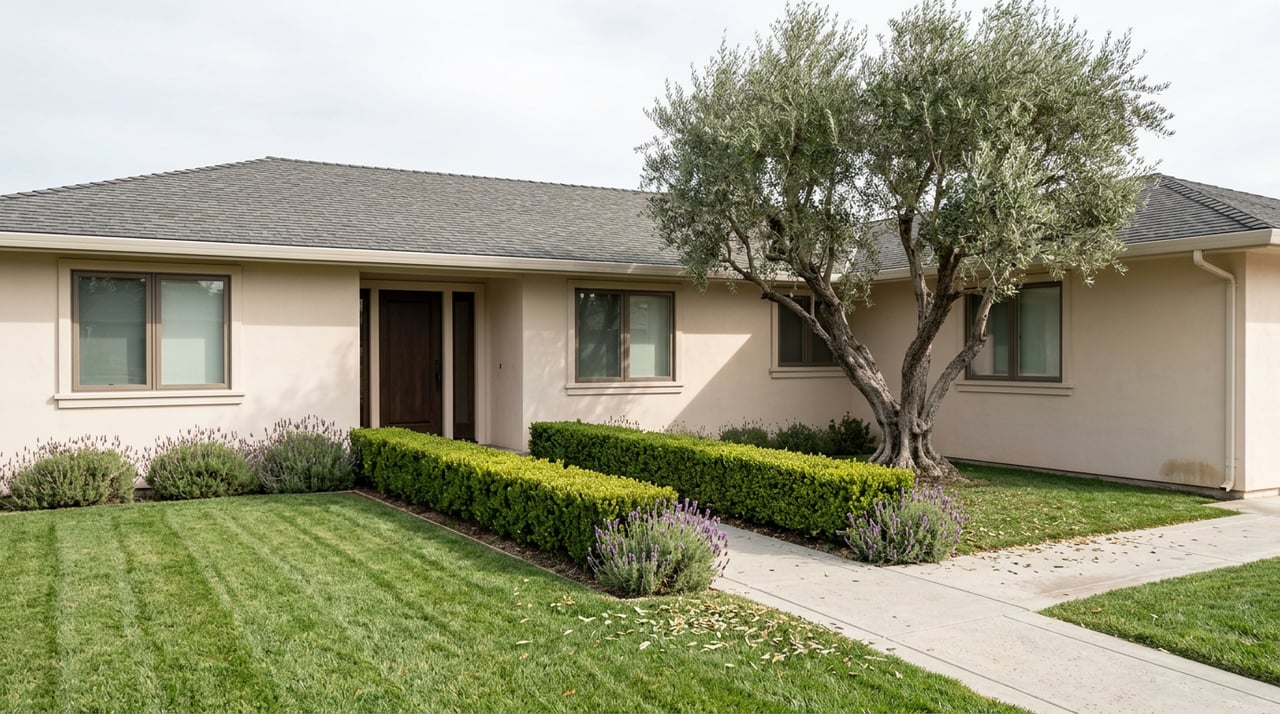
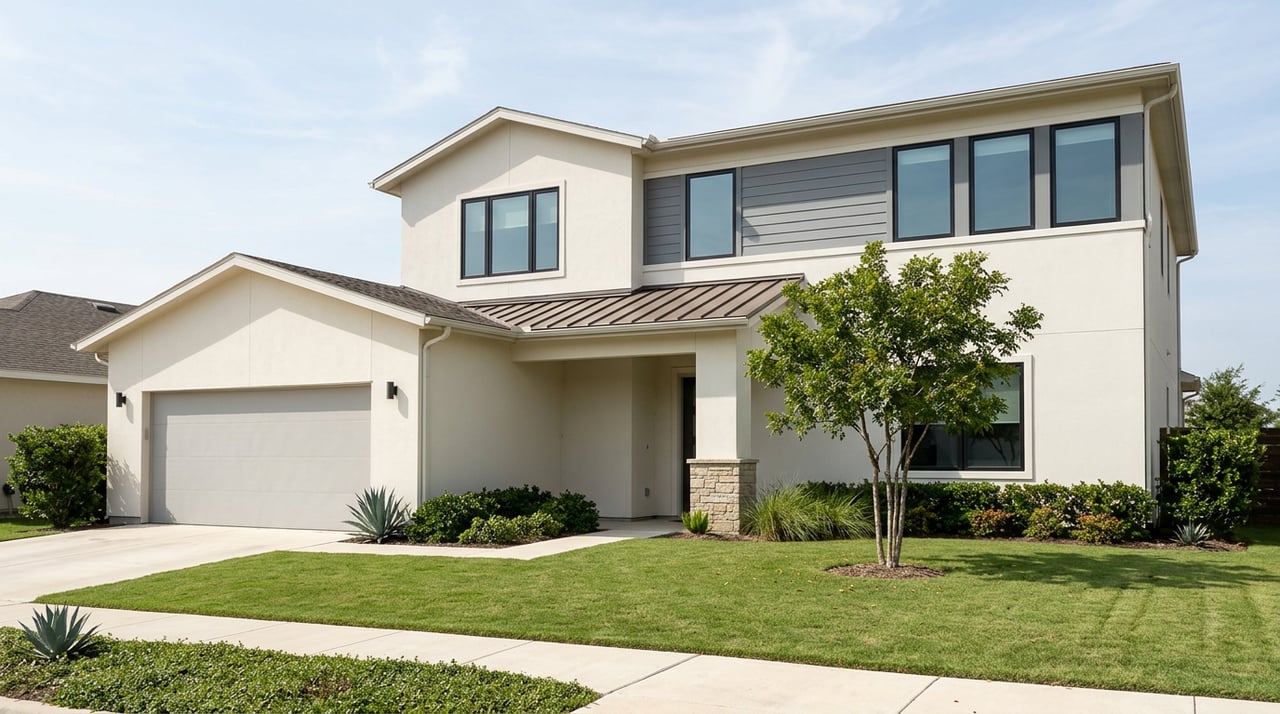
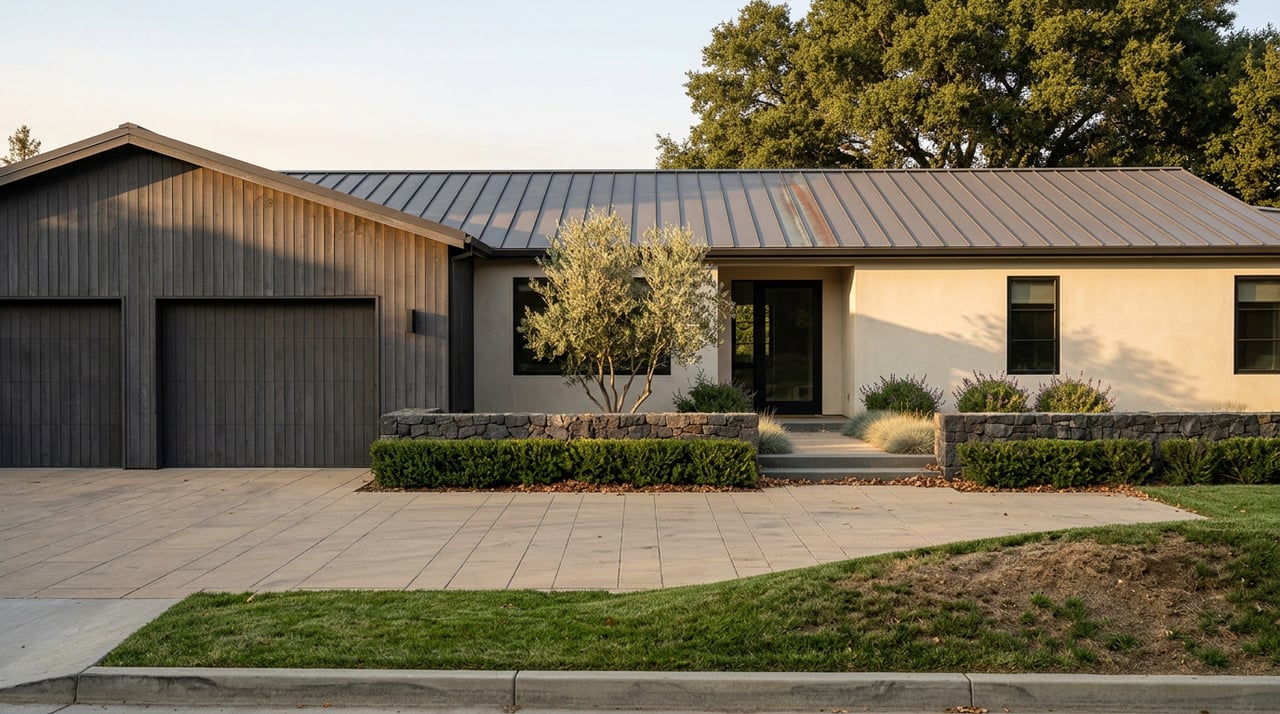
Sonoma’s housing stock reflects the town’s long history and varied design character. According to the downtown historic preservation design guidelines, the local architectural mix includes Vernacular Cottage, Queen Anne Victorian, Craftsman Bungalow, Spanish Colonial Adobe, Mission Revival, Monterey Colonial, Ranch, Mid-Century Modern, and historic commercial buildings.
That means Sonoma does not present one uniform look. Especially near the historic core, the built environment feels layered rather than master-planned in a single style. For buyers, that can translate into more variety in home character and setting.
It also helps explain why Sonoma can appeal to different kinds of residents. Some properties may suit full-time living, while others may feel more like a retreat or second-home base. The important lifestyle point is that the town supports both quiet day-to-day living and a destination-like atmosphere.
Sonoma Feels Like a Real Small Town
The biggest takeaway is that Sonoma feels lived in. Its downtown, markets, parks, historic sites, and public events are not isolated attractions. They are part of the ordinary weekly routine for people who call the area home.
That is what makes living here different from simply visiting for a weekend. You are not only enjoying the Plaza or nearby parks as a guest. You are folding them into your regular life, whether that means Friday market mornings, an evening walk downtown, or time outdoors close to home.
If you are drawn to a place where daily life feels walkable, community-oriented, and closely tied to public spaces, Sonoma offers a distinctive rhythm. And if you are exploring a move within the North Bay, that lifestyle is worth understanding before you buy.
If you are thinking about your next move and want thoughtful guidance on lifestyle, presentation, and long-term value, connect with Shandrika Powell for a personalized real estate experience.
FAQs
What is daily life like in Sonoma, CA?
- Daily life in Sonoma often centers on the Plaza, nearby parks, outdoor spaces, and recurring community events like the Friday farmers market and seasonal Tuesday Night Market.
Is Sonoma, CA a walkable town?
- Sonoma’s historic downtown is set up for walking, especially around Sonoma Plaza, where restaurants, galleries, tasting rooms, and civic spaces are close together.
What are popular outdoor activities in Sonoma?
- Popular outdoor activities in and around Sonoma include walking, biking, picnicking, visiting historic sites, and spending time at parks such as Maxwell Farms Regional Park, Larson Park, Sonoma Valley Regional Park, and Jack London State Historic Park.
Does Sonoma have community events throughout the year?
- Yes. Sonoma hosts recurring public events on the Plaza and at Depot Park, including markets, holiday gatherings, festivals, civic celebrations, and the annual Sonoma International Film Festival.
What kinds of homes are common in Sonoma?
- Sonoma’s housing character includes a mix of Vernacular Cottage, Queen Anne Victorian, Craftsman Bungalow, Spanish Colonial Adobe, Mission Revival, Monterey Colonial, Ranch, Mid-Century Modern, and other historic building styles, especially near the downtown core.