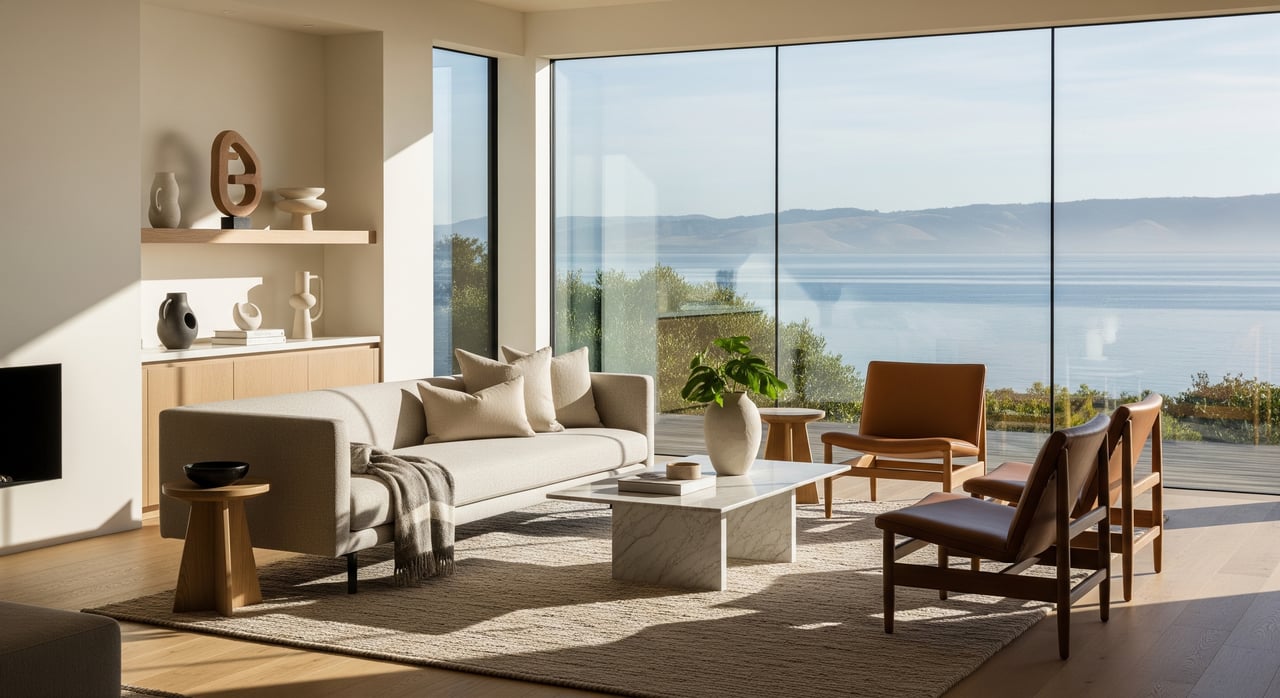
Thinking about selling in Benicia and wondering how to stand out fast? You are not alone. Buyers scroll past dozens of listings, and first impressions happen in seconds. With design-led staging, you can shape those moments, pull more eyes to your photos, and spark stronger offers. This guide shows you how a designer’s touch transforms Benicia homes, what it costs, and how to execute a smooth, stress-free plan. Let’s dive in.
What design-led staging means
Design-led staging goes beyond tidying up and placing furniture. It applies interior design principles like proportion, scale, color, and flow to create a cohesive look that fits your home’s architecture and the Benicia buyer profile.
- It starts with a clear concept that tells a lifestyle story. Think coastal and clean-lined for waterfront proximity or a warm, transitional look that respects period details in historic homes.
- It uses curated inventory. That means right-size sofas and rugs, layered lighting, art, and textiles that photograph beautifully and lead the eye from room to room.
- It can include light cosmetic updates. Fresh paint, updated hardware, and simple fixture swaps often sit within the staging plan and help finish the story.
You care about speed and price. Staged homes generally sell faster and are perceived as worth more by buyers. The most reliable way to validate results is to compare your home’s outcomes to similar Benicia sales in the MLS, focusing on days on market, sale-to-list ratio, and number of offers.
Why it works in Benicia
Benicia’s housing mix is diverse. You see historic Victorians and Craftsman homes, mid-century and later suburban properties, and a number of homes that lean into waterfront living. Design-led staging tailors your look to that mix rather than forcing a one-size-fits-all setup.
- Buyers often value commute convenience to the East Bay and San Francisco, walkability to downtown, and access to the marina.
- Lifestyle cues that resonate include coastal or Mediterranean palettes, indoor and outdoor flow, warm minimalism, and a bright, compact home office.
- Price tier matters. Entry-level listings may call for targeted, budget-conscious staging, while upper-end or view homes benefit from more curated inventory and finish selections.
When you align your staging to these expectations, you elevate photos, create a smoother showing experience, and position your home competitively against nearby staged listings.
DIY vs full-service: which fits your sale
There is more than one way to stage. Your choice depends on timing, budget, and your home’s condition.
DIY staging
- What it is: You handle decluttering, cleaning, light styling, and maybe rent a few pieces.
- Pros: Lower direct cost and full control over timing.
- Cons: Time heavy, easy to under-stage, and owner taste can narrow buyer appeal.
- Best for: Homes that are already neutral and lightly furnished, where small tweaks and good photography can carry the listing.
Full-service, project-managed staging
- What it is: A professional stager or design-led team handles concept through installation, coordinates inventory, and aligns the schedule with photography and showings.
- Pros: Turnkey, faster, and optimized for broad buyer appeal. Results are usually photography ready.
- Cons: Higher upfront cost and lead time to book the right team.
- Best for: Vacant homes, properties with dated or mismatched furnishings, and competitive price bands where visual differentiation drives outcomes.
Quick decision rules for Benicia sellers
- Choose DIY when you have time, a neutral base, and a tight budget.
- Choose full-service when you want speed, premium photos, and top-of-market positioning. This is especially helpful for historic homes with character details and for waterfront or view properties.
High-impact rooms and updates
Not every room needs the same level of investment. Focus where buyers look first and where photos do the most work.
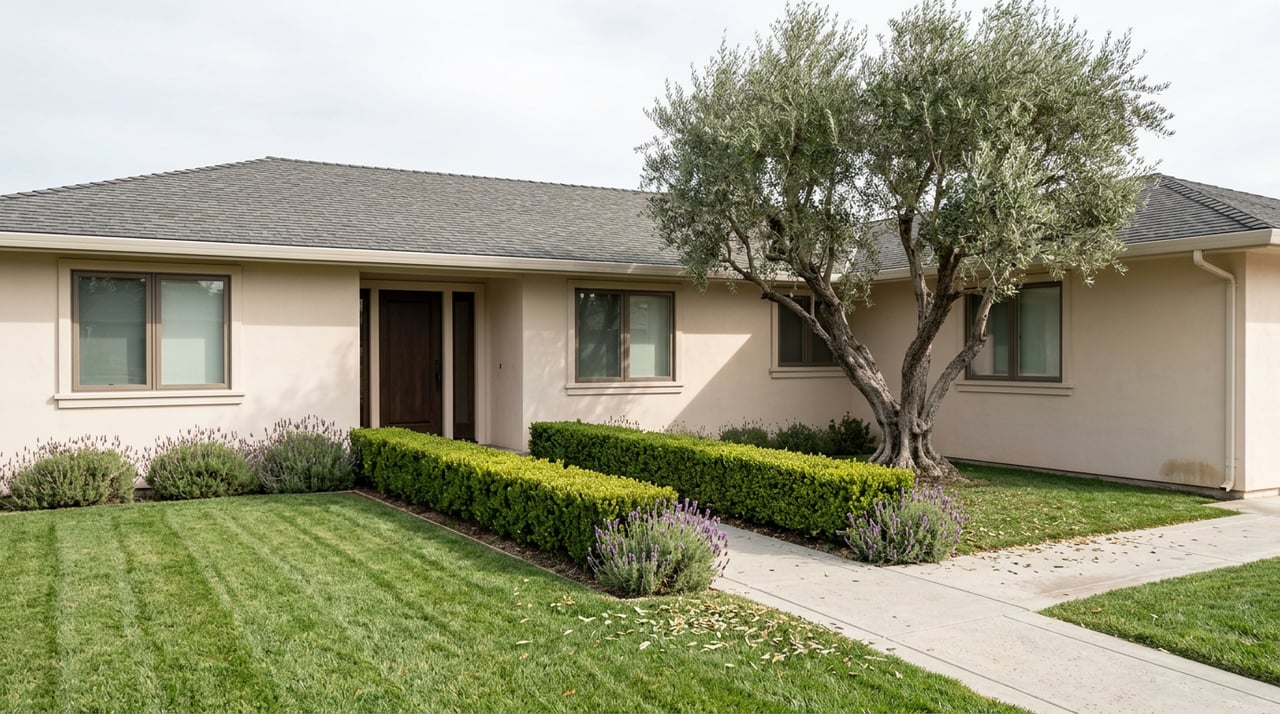
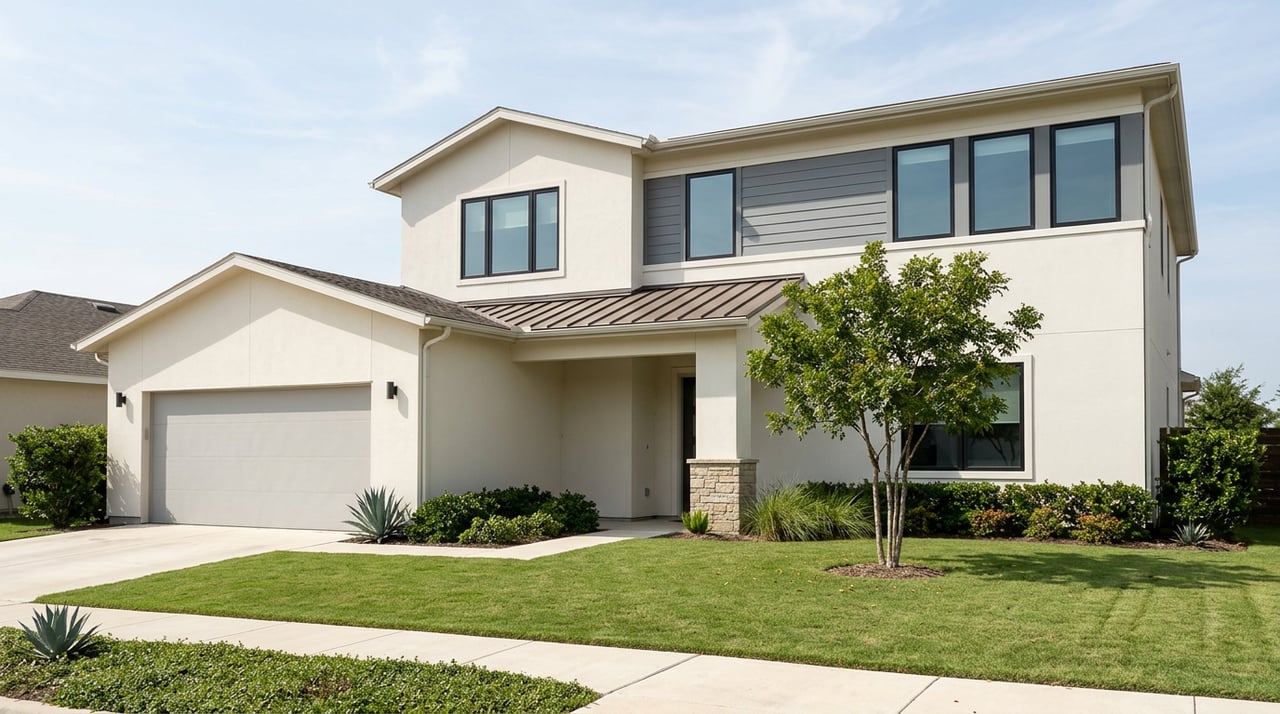
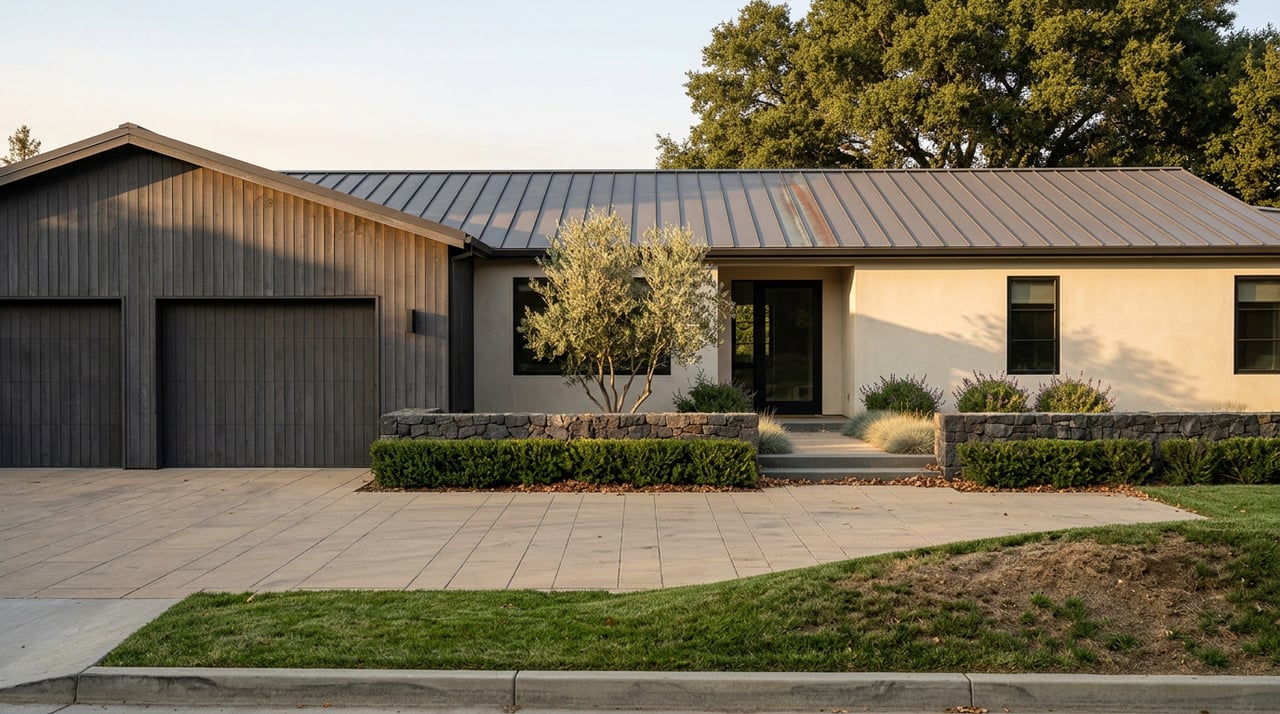
Curb appeal and entry
Your exterior is the first impression online and in person.
- Power wash siding and walkways.
- Repaint the front door in a neutral, contrasting color and replace dated hardware.
- Add tidy planters and define the path to the entry.
These small cues set expectations that the home is cared for and move-in ready.
Living room
This is the emotional anchor for many buyers.
- Right-size the sofa and chairs to open sightlines and improve flow.
- Use rugs to define zones and scale the room visually.
- Layer lighting with floor and table lamps rather than relying on overheads.
- Keep art and accessories minimal to highlight windows, trim, and architectural details.
Kitchen and its sightlines
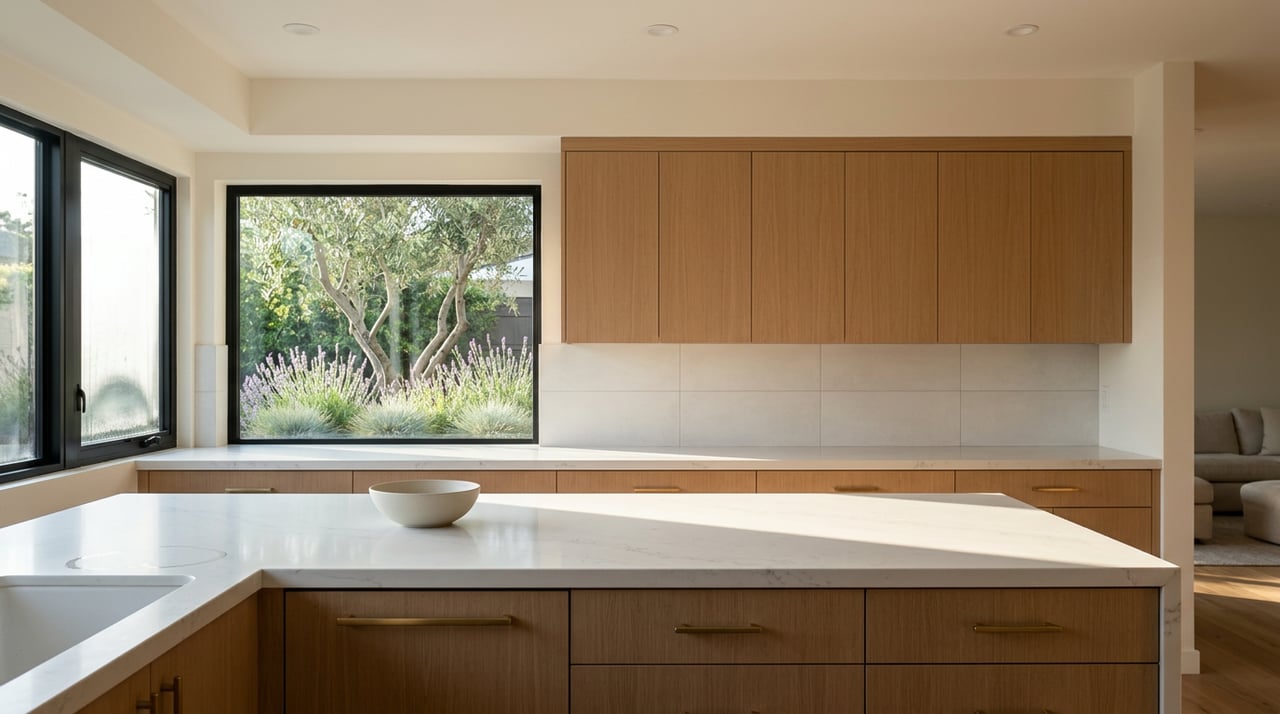
Kitchens drive decisions even when you do not plan major renovations.
- Clear the counters, style with simple dishware, a fruit bowl, and a fresh herb.
- Update cabinet hardware and switch plates if dated.
- Deep clean every surface and ensure appliances sparkle.
Strong kitchen photos help justify stronger offers.
Primary bedroom and bathroom
Buyers want calm, space, and comfort in the primary suite.
- Choose neutral bedding and streamlined nightstands.
- Declutter dressers and style with minimal, balanced accessories.
- Upgrade towels and add a simple bath tray or plant to signal a spa-like feel.
Outdoor spaces and views
Benicia buyers value outdoor living and waterfront proximity.
- Stage patios and decks with a small bistro set or lounge seating.
- Trim landscaping and show clear pathways.
- Emphasize the flow from interior to exterior by aligning furniture orientation.
Home office or flex space
Remote and hybrid work are everyday realities.
- Create a compact office zone with a clean desk, ergonomic chair, and tidy cable management.
- Style shelves sparingly and keep tech clutter out of photos.
What staging costs and how to model ROI
Every home is different, but it helps to see typical ranges. These are common national benchmarks. Local quotes vary by inventory quality, scope, and price tier.
- DIY or low-cost styling: under 500 to 1,000 dollars for accessories and paint touch-ups.
- Partial staging of key rooms with rental: mid-hundreds to low-thousands.
- Whole-house, full-service staging: about 2,000 to 6,000 dollars or more for initial setup, plus monthly rental.
To judge value, use a simple ROI model:
- Pull recent Benicia comps in your price band, and note average days on market and sale-to-list ratios.
- Compare staged versus unstaged comps when available through your agent or MLS.
- Estimate staging cost, then calculate the uplift required to break even. Divide the cost by the expected gain in sale price.
- Add non-monetary value. Faster sales reduce carrying costs and lower the risk of price reductions.
The best validation comes from local data paired with a clear presentation plan.
A smooth, project-managed process
A full-service approach saves you time and removes guesswork. Here is a typical workflow you can expect.
- Pre-listing consult and market audit. Your agent and stager review local comps and your goals.
- Design concept and budget. You get a clear lookbook and itemized estimate.
- Scope decision. Choose partial staging of key rooms or a whole-house plan.
- Contract and schedule. Align delivery with your photography date and first showings.
- Installation day. Furniture and accessories arrive, then the team styles each room.
- Professional photos and tours. The home goes live with its best face forward.
- De-installation. Removal happens after close or per your agreement.
Timeline for sellers
Working backward from your target list date helps keep everyone on track.
- 8 to 10 weeks out: Consult your agent and staging professional. Agree on scope and timeline.
- 4 to 6 weeks out: Book painters, repair pros, and any light cosmetic updates.
- 1 to 2 weeks out: Complete staging installation and a deep clean. Capture professional photography and virtual tour assets.
- Listing live: Keep the home photo ready for open houses and showings. Maintain the setup until you finalize a contract strategy.
- After acceptance: Follow the agreed de-install plan to minimize disruption.
How to measure success
Define your key metrics before you list so you can judge outcomes clearly.
- Primary KPIs: Days on market, sale price as a percentage of list, price per square foot versus comparable homes, number of offers, and time from list to contract.
- Secondary KPIs: Photo view rates, click-throughs, and weekly showing activity.
Your agent can pull local MLS snapshots and transaction records to compare your results to nearby sales.
Historic homes: do it right
Benicia’s historic properties have unique character. Respecting that character while presenting a fresh look makes a difference.
- Use reversible updates. Choose paint and hardware that complement period trim and built-ins.
- Coordinate with local preservation guidelines before exterior changes.
- Stage to highlight craftsmanship. Let woodwork, windows, and stair details take the spotlight with simpler furnishings and neutral palettes.
Get expert help in Benicia
Design-led staging is powerful, but you do not need to manage it alone. With the right partner, you can package design, staging, and logistics into one coordinated plan that targets buyer preferences and removes stress.
If you want a turnkey experience that bundles interior design, professional staging, and hands-on project management into your listing, reach out to a local team that does this work every week and knows Benicia’s micro-markets well. Ready to see how design-led staging could change your sale outcome? Connect with Shandrika Powell for a free valuation and tailored staging plan.
FAQs
What does design-led staging cost in Benicia?
- Costs vary by scope and inventory quality, but typical national ranges are under 1,000 dollars for DIY styling, low-thousands for partial staging, and about 2,000 to 6,000 dollars or more for whole-house setups.
Should I stage a vacant home or use my furniture in Benicia?
- Vacant homes usually benefit most from full-service staging because curated scale, color, and flow photograph better than empty rooms or mismatched existing pieces.
Which rooms should I stage if I have a limited budget in Benicia?
- Prioritize curb appeal, living room, kitchen, primary bedroom, a small home office, and any outdoor space that supports indoor to outdoor flow.
How soon before listing should staging and photos be completed?
- Aim to complete installation and a deep clean 1 to 2 weeks before professional photography so you can go live with strong images and support early showings.
Will staging still help in a strong sellers’ market in Solano County?
- Yes, because better presentation lifts photo engagement, widens the buyer pool, and can support stronger offers and fewer contingencies even when demand is high.
Do historic-preservation rules affect exterior updates for Benicia homes?
- Yes, designated historic areas may have guidelines, so consult the city before changing exterior finishes or removing character features.
How do I choose the right staging partner in Benicia?
- Look for a team that offers a design concept, clear scope and budget, local MLS experience, and a project-managed schedule aligned with photography and showings.