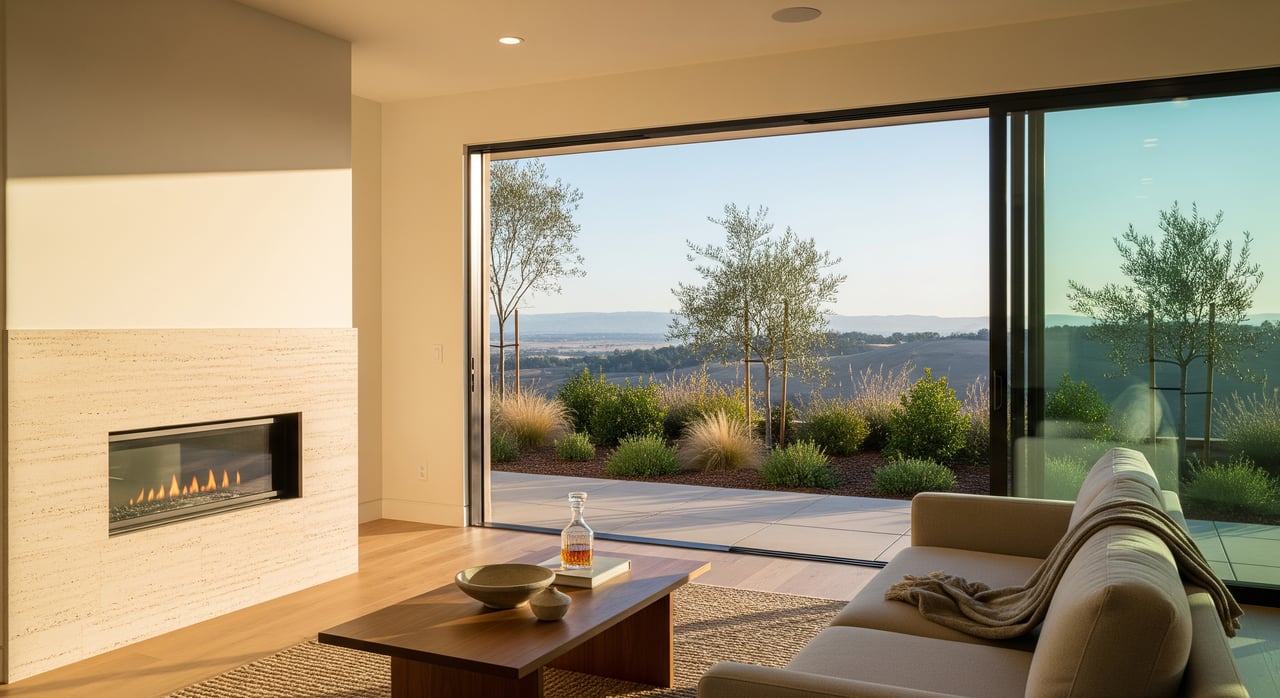
Planning to list your Fairfield home this spring? You want a smooth sale and a strong result, but the to-do list can feel overwhelming. This 90-day plan walks you week by week through repairs, permits, staging, and launch so you can hit the spring market with confidence. Let’s dive in.
Why plan 90 days out
Spring is typically the highest-traffic season, so being market-ready 8 to 12 weeks ahead can increase showings and help you capture competitive offers. In Fairfield and greater Solano County, buyers often include move-up families, Bay Area commuters, and military personnel from Travis Air Force Base. These buyers tend to care about an updated kitchen and baths, a comfortable primary suite, storage, outdoor space, and access to community amenities. Planning now lets you focus your prep and staging on the rooms that matter most.
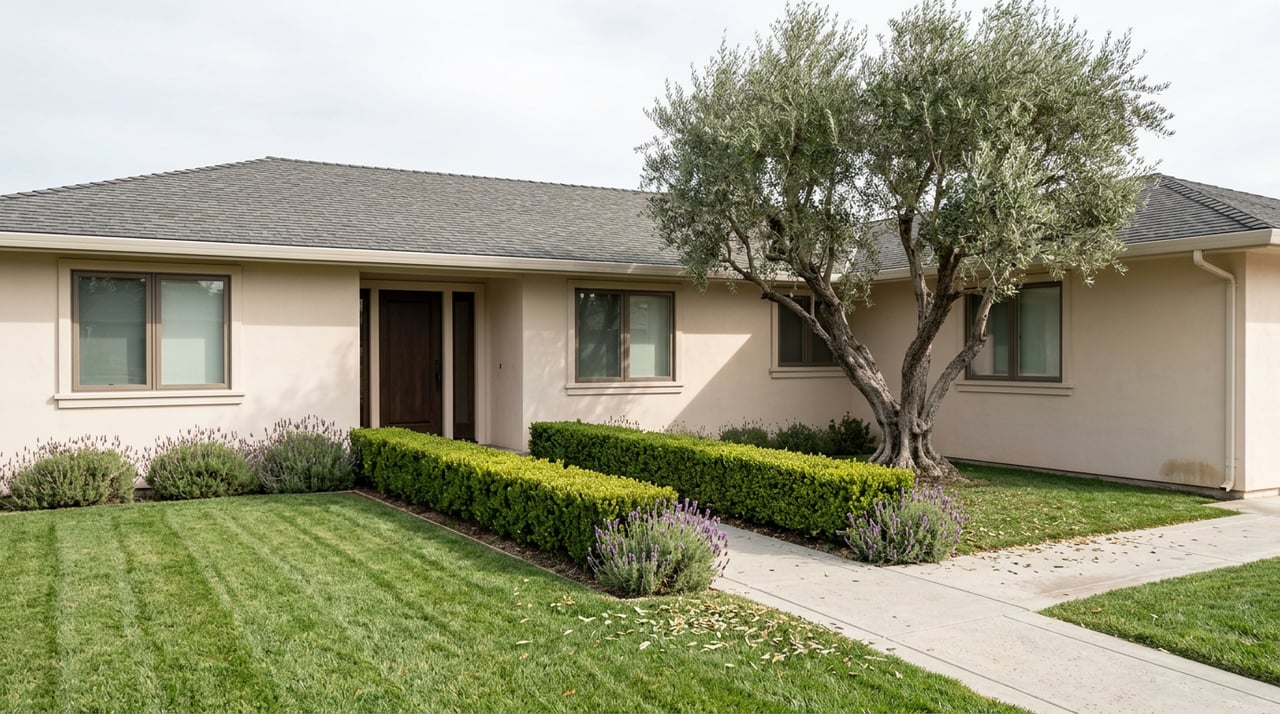
Fairfield’s Mediterranean climate supports early curb appeal work with pruning, fresh mulch, and lawn prep. Avoid heavy irrigation changes before you understand local water rules. Start permits and contractor scheduling early so your listing date stays on track.
Your 12-week listing plan
Week 12: Set your timeline
- Choose your target spring listing week and align it with family schedules.
- Meet your listing agent and a professional stager to prioritize repairs, paint, and decluttering.
- Schedule optional pre-listing inspections for general home and termite to surface issues early.
- Request quotes for repairs and a fresh, neutral interior paint plan.
Week 11: Start repairs and permits
- Review permit needs. Submit City or County applications now if required for structural, electrical, or plumbing work.
- Begin major repairs that need contractor scheduling, such as roofing or HVAC.
- Start decluttering room by room. Donate, sell, or pack items not needed for daily living.
Week 10: Quotes and orders
- Continue repairs and order any long-lead items if you plan updates, such as counters or appliances.
- Get quotes for deep cleaning and a handyman for small fixes like hardware and cabinet adjustments.
- If renting staging furniture, collect stager proposals and confirm delivery windows.
Week 9: Paint and curb appeal
- Finish major repairs where possible and confirm permit inspections when needed.
- Start interior painting in neutral tones, prioritizing the entry, living areas, and kitchen.
- Begin light landscaping with weeding, pruning, and fresh mulch for a tidy look.
Week 8: Systems and staging plan
- Trim trees and bushes, clear gutters, and service HVAC or the water heater if advised.
- Continue packing nonessentials and plan storage for removed items.
- Stager visit #1. Finalize layout needs and any small updates like lighting or area rugs. Request an itemized staging plan and cost estimate.
Week 7: Deep clean and floors
- Complete repairs and paint touch-ups.
- Deep clean the kitchen, baths, windows, and floors or schedule a professional service.
- If new flooring or refinishing is on the list, schedule it now and allow for curing time.
Week 6: Fixtures and scheduling
- Install lighting, cabinet hardware, mirrors, and other low-cost upgrades suggested by your stager.
- Stager visit #2. Finalize selections and confirm furniture delivery 3 to 7 days before photos.
- Book photography, video, and floor plan services for the week after staging.
Week 5: Execute staging
- Deliver rental furniture for vacant areas or rightsize large pieces in occupied rooms.
- Declutter staged rooms further and optimize window coverings for natural light.
- Do a final deep clean after staging so every surface shows well.
Week 4: Photos and marketing
- Complete a pre-photo walkthrough. Tidy closets, check lighting, and touch up paint or caulk.
- Capture professional photos, virtual tour, and a floor plan, ideally on a clear day.
- Review and approve photos. Your agent drafts the MLS description and feature sheet.
Week 3: Show-ready setup
- Make final staging tweaks after reviewing photos.
- Build a “show-ready” kit with cleaning wipes, extra bulbs, batteries, and touch-up paint.
- Set showing windows that work with your family’s schedule.
Week 2: Pre-launch prep
- Consider a soft launch if allowed. Your agent may share “coming soon” details within local rules.
- Confirm the go-live date and any open house plans.
- Arrange for pets and finalize a quick tidy routine for showings.
Week 1: List and adjust
- Go live on MLS early in the week, often Tuesday through Thursday for strong exposure.
- Host a broker preview or agent showing if used, then weekend open houses.
- Collect feedback and be ready to make small adjustments to staging or price.
Staging that sells in Fairfield
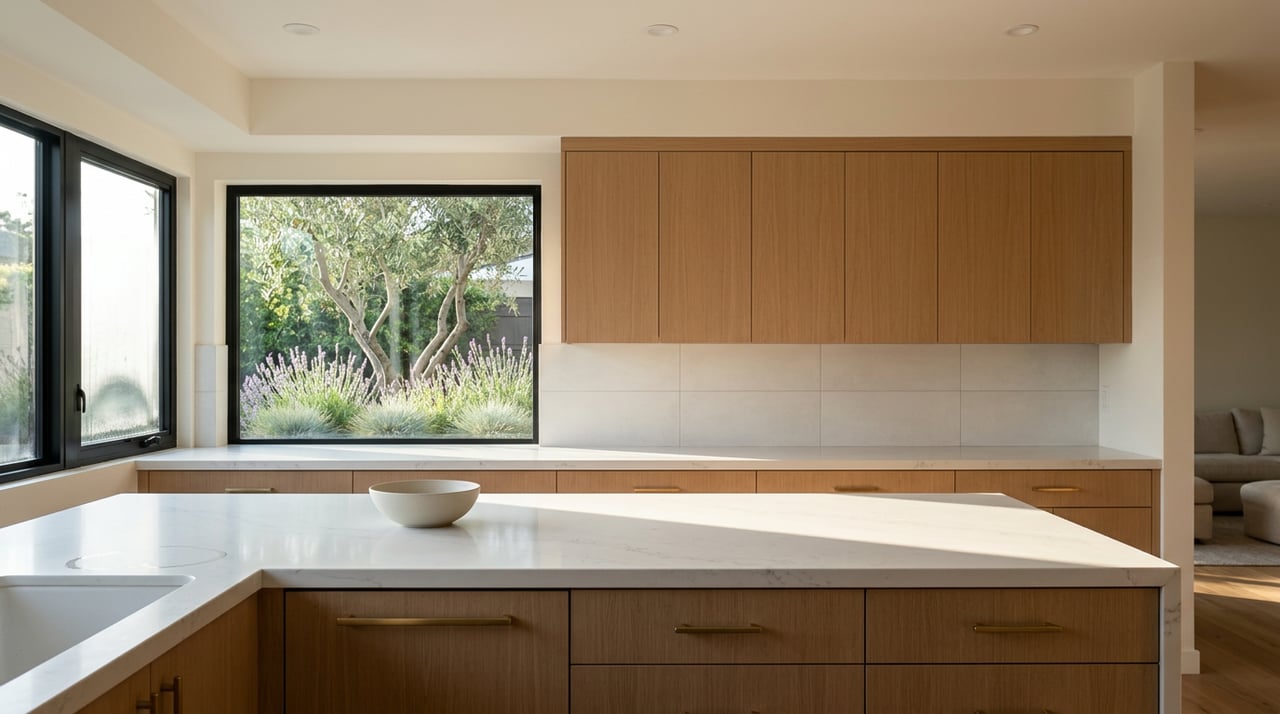
Focus your staging on spaces buyers value most: the kitchen, primary suite, main living areas, and outdoor zones. In occupied homes, plan to remove 30 to 50 percent of items, put away personal photos, and balance furniture for clear pathways. In vacant homes, use rental furniture to define rooms, with area rugs, art, plants, and layered lighting to add warmth.
- Kitchens and baths: Clear counters, remove magnets and personal items, and add simple accents like neutral towels.
- Kids’ rooms: Use scaled-down pieces so the room feels spacious and flexible.
- Outdoor areas: Clean hardscapes, add simple seating, and use potted plants to show easy entertaining.
Staging checkpoints to remember:
- Early consult to set priorities and budget.
- Mid-prep visit to finalize selections and installation timing.
- Full installation before photos, then light tweaks after you review images.
Permits, inspections, and disclosures
Permits are often required for structural work, major electrical or plumbing changes, and additions. Start permit checks early, since timing can add weeks. Optional pre-listing inspections can reveal issues before buyers do and can streamline negotiation.
California sellers must complete required disclosures. Typical forms include the Transfer Disclosure Statement, Natural Hazard Disclosure, and lead-based paint disclosure for homes built before 1978. Your agent will guide you on timing and the full set of documents you need.
Budget and ROI basics
Think of staging and photography as part of your marketing investment. A well-presented home can improve first impressions and shorten days on market. Get multiple bids for staging and ask for itemized quotes that separate furniture rental, delivery, accessories, and setup.
DIY works well for decluttering, light landscaping, and basic paint touch-ups. Hire pros for major repairs, flooring changes, and full or partial staging if your home is vacant or you are short on time. Ask your agent for local comps to calibrate which cosmetic updates make financial sense in your neighborhood.
Showings and launch timing
Once you are live, consistency matters. Keep your show-ready kit handy and maintain daily tidying habits. Your agent will monitor interest and feedback in the first week and may suggest minor changes to staging, price, or showing windows. Small adjustments early can protect your momentum.
Compact seller checklist
- Decide listing week and align family schedule.
- Meet agent and stager to set priorities.
- Order pre-listing inspections if desired.
- Start permits and major repairs early.
- Neutral interior paint and light landscaping.
- Finalize staging plan and delivery dates.
- Deep clean after staging and before photos.
- Approve photos and marketing copy.
- Prepare a show-ready kit and plan.
- List mid-week, review feedback, adjust as needed.
Work with a turnkey team
You do not need to juggle multiple vendors or guess which upgrades will pay off. With in-house design, complimentary staging in the listing package, and hands-on project management, you can move through this 90-day plan with less stress and better results. If you are planning a spring move in Fairfield or anywhere in Solano County, let’s map your timeline and staging plan together. Connect with Shandrika Powell to start your customized prep schedule.
FAQs
How long does staging take for a Fairfield home?
- Plan the consult early in your 90-day window. Furniture delivery and setup typically finish 3 to 7 days before photos and listing.
Should I do a pre-listing inspection before selling?
- It is optional but often helpful. Early inspections can reveal issues and reduce surprises during negotiation.
Do I need permits for small home repairs?
- Cosmetic fixes usually do not require permits. Structural, electrical, plumbing, or addition work typically does, so check City or County guidance early.
How much should I spend on improvements before listing?
- Focus first on safety and major systems, then high-visibility cosmetics like paint, lighting, and flooring. Ask your agent for comps to right-size your budget.
What if my home is vacant when I list?
- Consider partial or full furniture rental so rooms feel defined and inviting. Your stager can tailor a plan to your layout and target buyer profile.